Whether it’s a wedding, a beach trip, or a fresh start, the idea of dropping 10 pounds in seven days is hard to resist. The honest answer is that the scale can move a long way in a week, but most of that change comes from water, digestive contents, and a modest amount of fat. Understanding that difference is what separates a smart reset from a frustrating crash diet.
This guide walks through a seven-step, seven-day plan built on habits that are practical and safe to try. You may not hit 10 pounds, and that’s fine. You’ll likely feel lighter, less bloated, and better set up for steady progress.

Can You Really Lose 10 Pounds in a Week?
Fat loss versus water weight
One pound of body fat represents roughly 3,500 calories of stored energy. Losing 10 pounds of pure fat in a week would require a deficit of about 5,000 calories a day, which is far beyond what a healthy body can sustain. Not eating that much, or burning that much, is the point.
What does happen in the first week is a fast drop in water. Your body stores carbohydrate as glycogen, and each gram holds several grams of water. When you cut back on refined carbs and sodium, glycogen stores shrink and water goes with them. That’s why the first week of almost any diet shows the biggest numbers.
Set expectations before you start
Health agencies generally describe 1 to 2 pounds of fat loss per week as a sustainable pace. Treat a bigger first-week drop as a head start, not proof of fat loss, and expect some of it to return when normal eating resumes. If you have a medical condition, take regular medication, or are pregnant, check with your doctor before changing how you eat or exercise.
7 Steps for Your 7-Day Weight Loss Reset
1. Drink More Water and Cut Liquid Calories
Staying hydrated helps your body manage sodium and fluid balance, which can reduce puffiness. A good target is enough water that your urine stays pale yellow, often around 8 to 10 glasses, more if you’re active or it’s hot. Drinking a glass before meals can also help you eat a bit less.
The bigger win is what you stop drinking. Soda, sweetened coffee drinks, juice, and alcohol can add hundreds of calories without making you feel full. Swapping a sugary latte for black coffee or unsweetened tea is one of the easiest changes you can make.
2. Build Meals Around Protein

Protein keeps you full longer than most foods and helps protect muscle while you eat less. Good options include chicken, turkey, eggs, fish, Greek yogurt, cottage cheese, tofu, tempeh, and lentils. Pair them with non-starchy vegetables like broccoli, spinach, zucchini, and cauliflower for meals that are filling but not heavy.
You don’t need to eliminate carbohydrates. Shifting from refined options like white bread, pastries, and pasta toward vegetables, beans, and small portions of whole grains is enough to feel the difference.
3. Add Fiber for Fullness

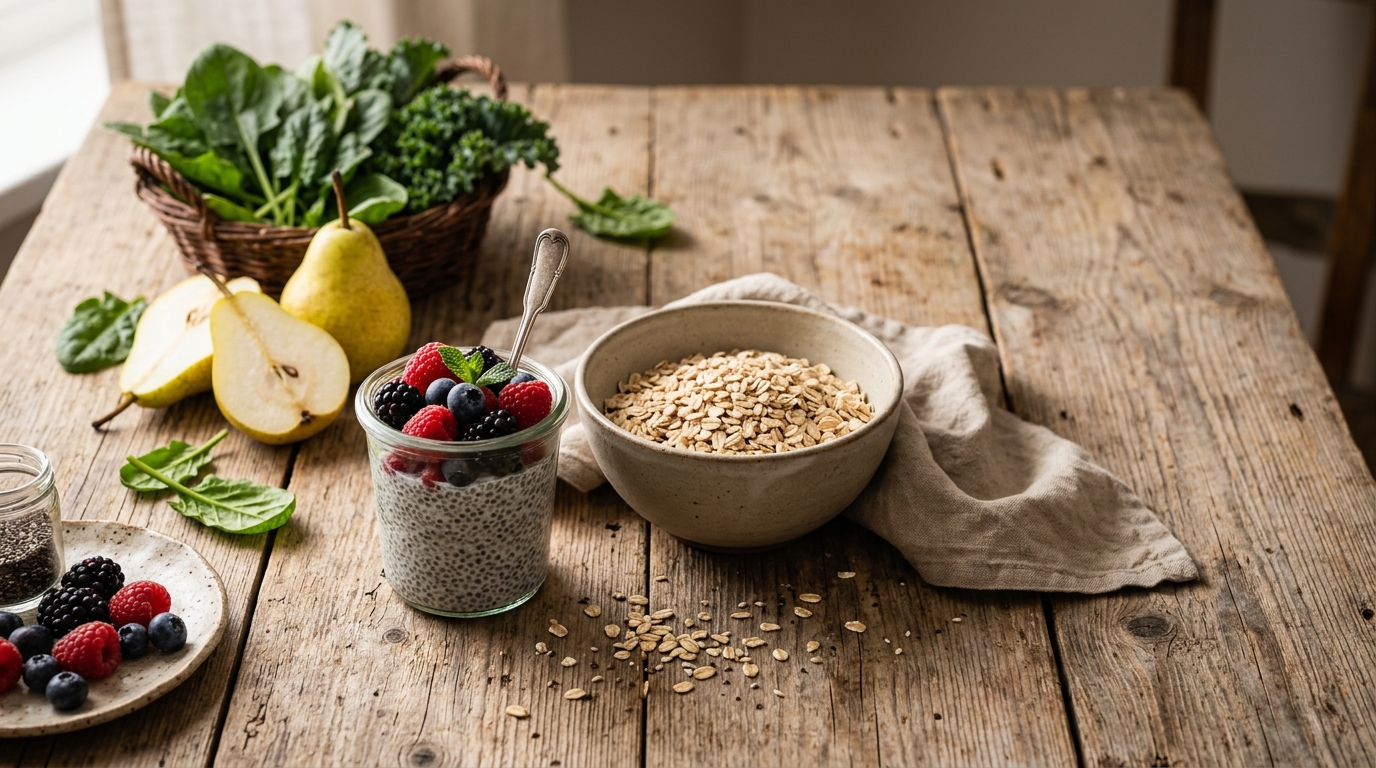
Fiber slows digestion, steadies blood sugar, and helps you feel satisfied between meals. Load up on leafy greens, Brussels sprouts, berries, pears, apples, chia and flax seeds, and oats. Increase fiber gradually and drink plenty of water, because a sudden jump can cause gas and discomfort.
4. Limit Ultra-Processed Carbs and Sodium

Chips, pastries, and packaged meals tend to be high in refined carbs and salt. Salt makes your body hold extra water, and refined carbs can drive hunger and cravings. Try cauliflower rice in place of white rice, zucchini noodles in place of pasta, or lettuce wraps in place of bread. Reading labels for sodium is a small habit that pays off quickly.
5. Move Every Day

You don’t need hours at the gym. A brisk 30 to 45 minute walk can burn roughly 100 to 250 calories depending on your size and pace, and a short walk after meals supports digestion and steadier blood sugar. Add two or three strength sessions with weights or bodyweight moves to help preserve muscle. Short interval workouts can be efficient if you’re already fit, but build up gradually to avoid injury.
6. Protect Your Sleep

Short sleep is linked to stronger appetite, more cravings for high-calorie foods, and lower energy for exercise. Aim for seven to eight hours. Dim the lights, keep screens out of the last hour before bed, and keep the room cool and quiet. Going to bed even 30 minutes earlier tonight is a real step forward.
7. Manage Stress Before It Becomes Snacking
Chronic stress can push people toward emotional eating and late-night snacking. You don’t need an elaborate routine. Five slow breaths before reaching for food, a few minutes of journaling, gentle stretching, or ten minutes outside can interrupt the habit loop.
Do Liver “Detox” Supplements Help You Lose Weight?

Many weight-loss articles claim a sluggish liver is holding back your results and that a supplement can fix it. The reality is less dramatic. Your liver already processes fats, alcohol, and medications, and there’s no solid evidence that over-the-counter “liver support” or “detox” products speed up fat burning in healthy people.
Supplements aren’t approved for effectiveness the way medications are, and proprietary blends make it hard to know what you’re actually taking. Some weight-loss and herbal products have been linked to liver injury, so they deserve extra caution, especially if you take medication or have any liver condition. Be wary of pages where the same product is praised and linked repeatedly, since that is often affiliate marketing.
The proven ways to support your liver are unglamorous: limit alcohol, eat fewer ultra-processed foods, stay physically active, and maintain a healthy weight over time. If you’re considering any supplement, ask a doctor or pharmacist first.
What to Expect and When to Be Careful Lose 10 Pounds in a Week

Over seven days Lose 10 Pounds in a Week, the scale may drop several pounds, mostly water, along with less bloating and better energy. Dizziness, extreme fatigue, fainting, or a racing heart are signs to stop and get medical advice, not push through. Skip aggressive restriction, laxatives, or diuretics, which can cause real harm and don’t produce lasting fat loss.
Conclusion
You may not lose 10 pounds in a week, and you don’t need to. Hydration, protein-forward meals, fiber, fewer processed foods, daily movement, better sleep, and calmer evenings will help you feel lighter and more energized fast. Use the first week as a launch pad, then keep the habits that worked and aim for a steady 1 to 2 pounds a week after that.