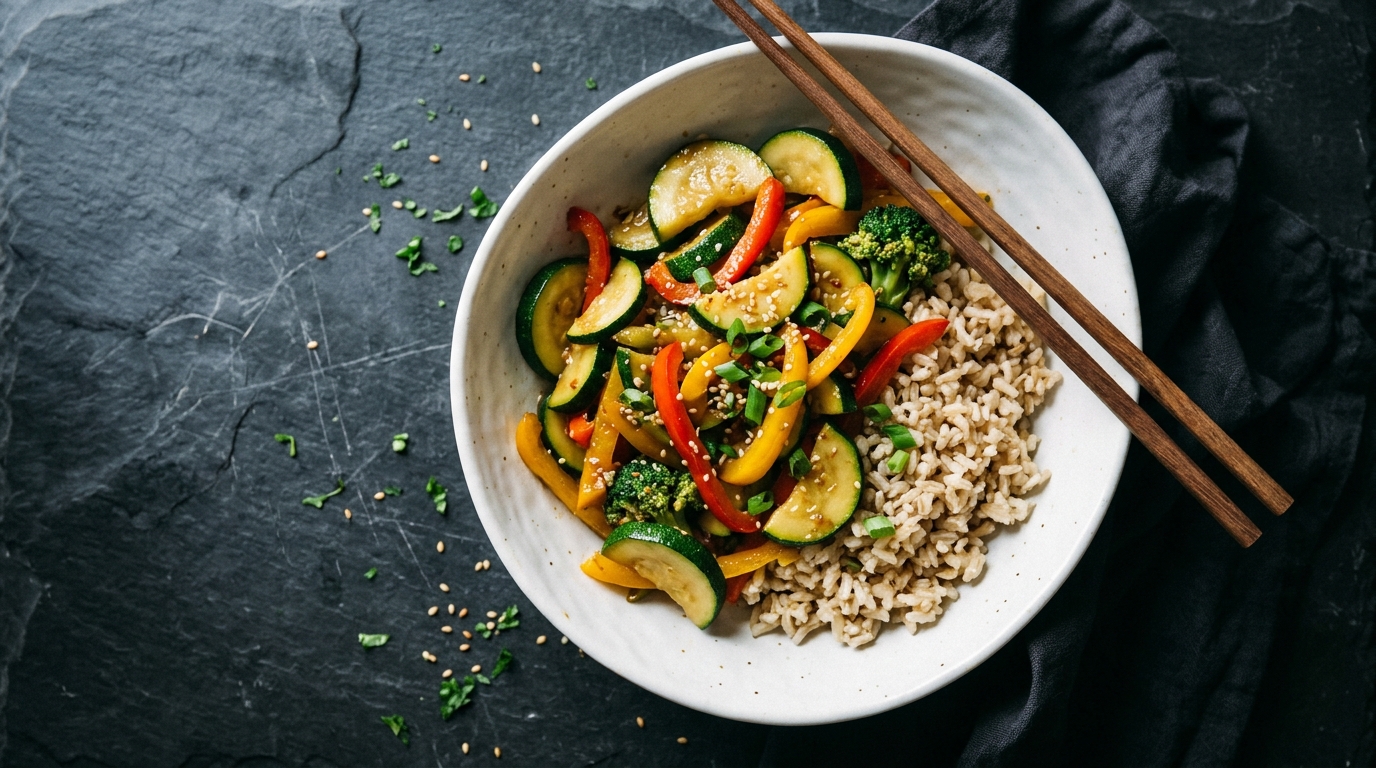
7-Day Diet Plan for Weight Loss Seeing “10 pounds in a week” on a diet plan is exciting, and it deserves a reality check. A change that large over seven days is at the extreme end of what’s possible. Much of it comes from shedding water, easing bloat, and clearing out digestive contents rather than burning body fat. 7-Day Diet Plan below is a short-term, whole-food reset built on plant-heavy meals, plenty of fluids, and a slow return to complex carbs. Treat it as a jump-start, not a way of life.
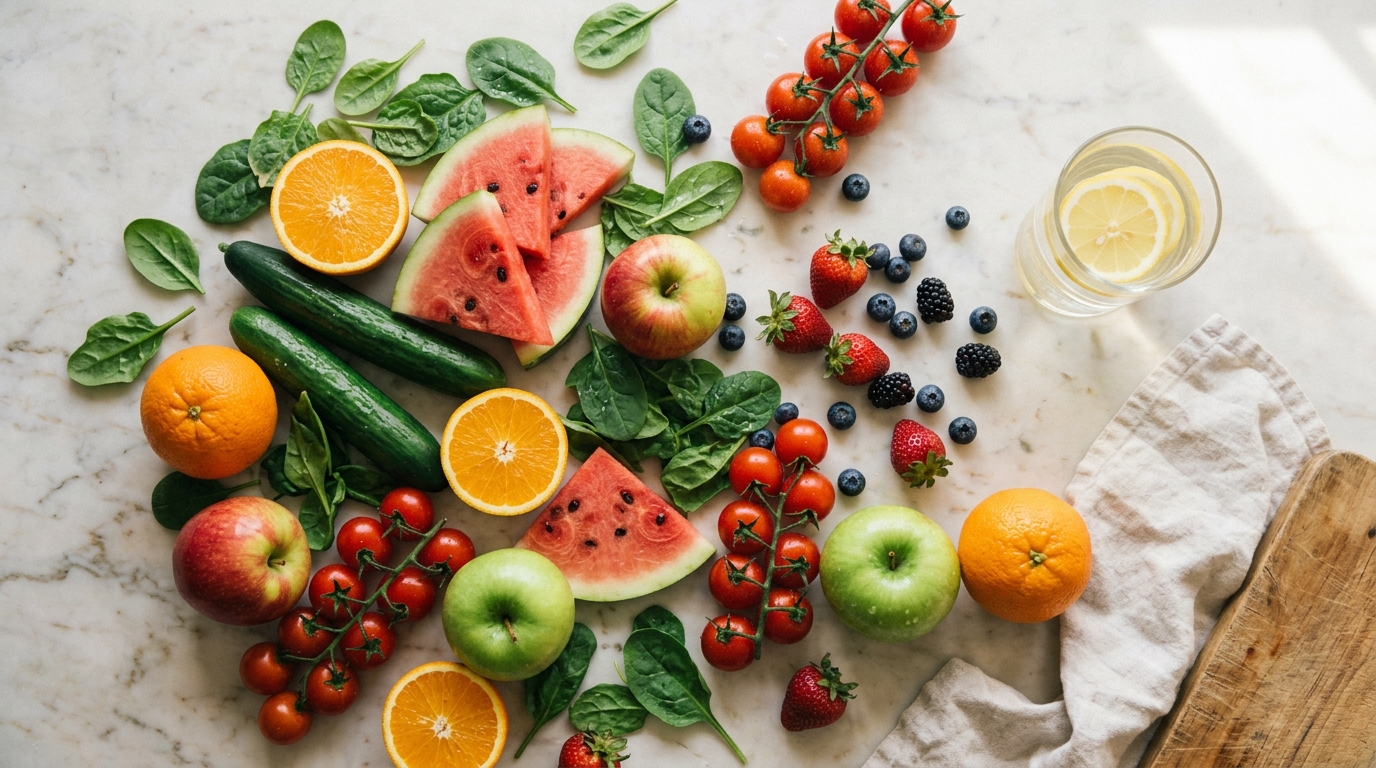
How This 7-Day Weight Loss Meal Plan Works
The week moves in stages, starting with the lightest foods and ending with more filling, balanced plates. Four ideas drive it:
- Low-calorie, nutrient-dense foods that fill the plate without piling on calories
- Water-rich produce that helps you feel less puffy and more hydrated
- Fiber to keep hunger and cravings in check
- Simple, repeatable meals so you spend less energy deciding what to eat
Because calories are limited, you should expect lower energy than usual. Plan a lighter schedule, skip intense workouts, and keep gentle movement like walking.

Before You Start: Who Should Skip This Plan
A low-calorie, restricted-variety week isn’t right for everyone. Check with a doctor or registered dietitian first if you are pregnant or breastfeeding, have diabetes or blood sugar concerns, take regular medication, have a history of disordered eating, or live with a heart, kidney, or thyroid condition. Stop and seek advice if you feel dizzy, faint, unusually weak, or unwell. If a rigid plan like this tends to trigger an unhealthy relationship with food, a gentler approach will serve you better.

The 7 Day Diet Plan for Weight Loss, Day by Day
Day 1: Fruit Day
Begin with water-heavy, high-fiber fruit and leave bananas out for now. Good picks include watermelon, apples, oranges, grapefruit, berries, pineapple, and papaya.
Open the morning with a mug of warm water and fresh lemon juice. It’s a gentle ritual that many people find helps get digestion moving.
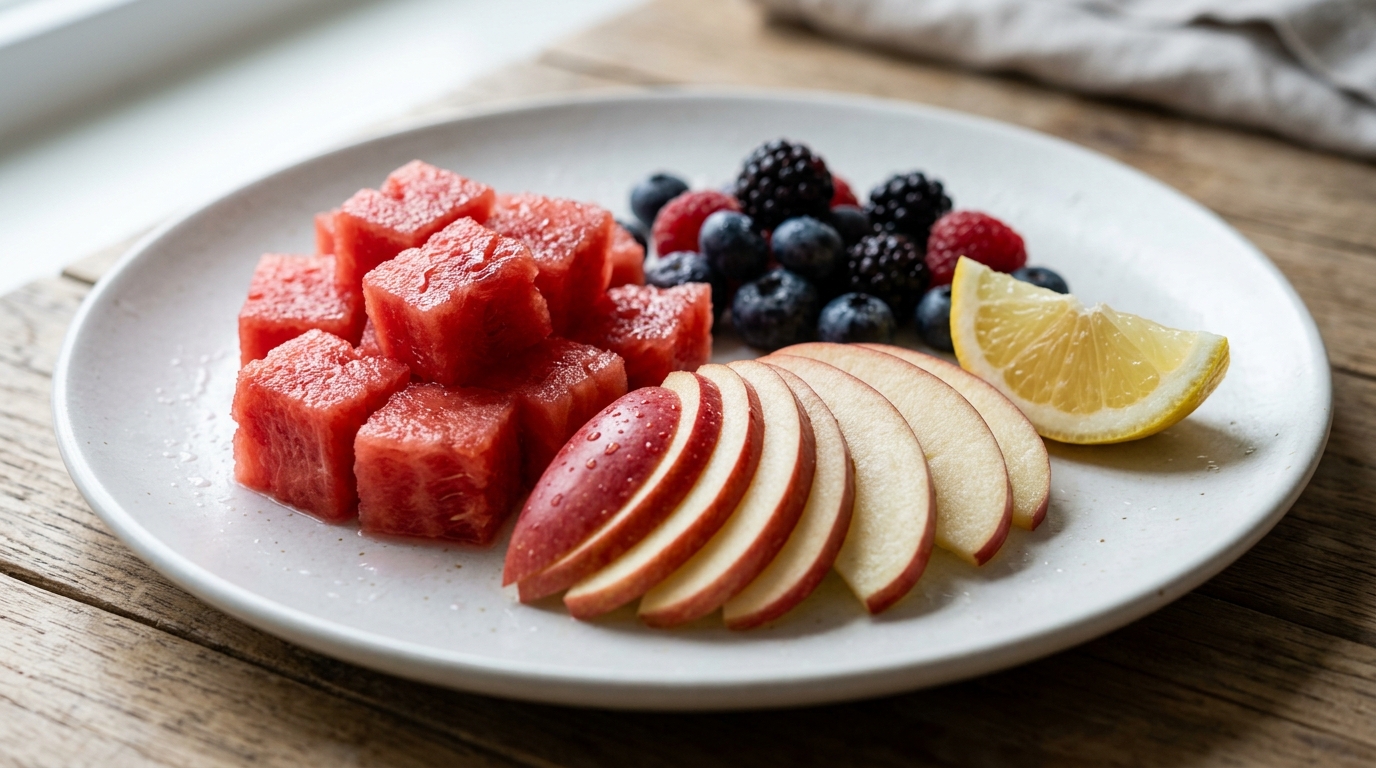
Easy fruit plate: about one cup of diced watermelon, one sliced apple, and half a cup of mixed berries, finished with a squeeze of lemon.
Day 2: Vegetable Day
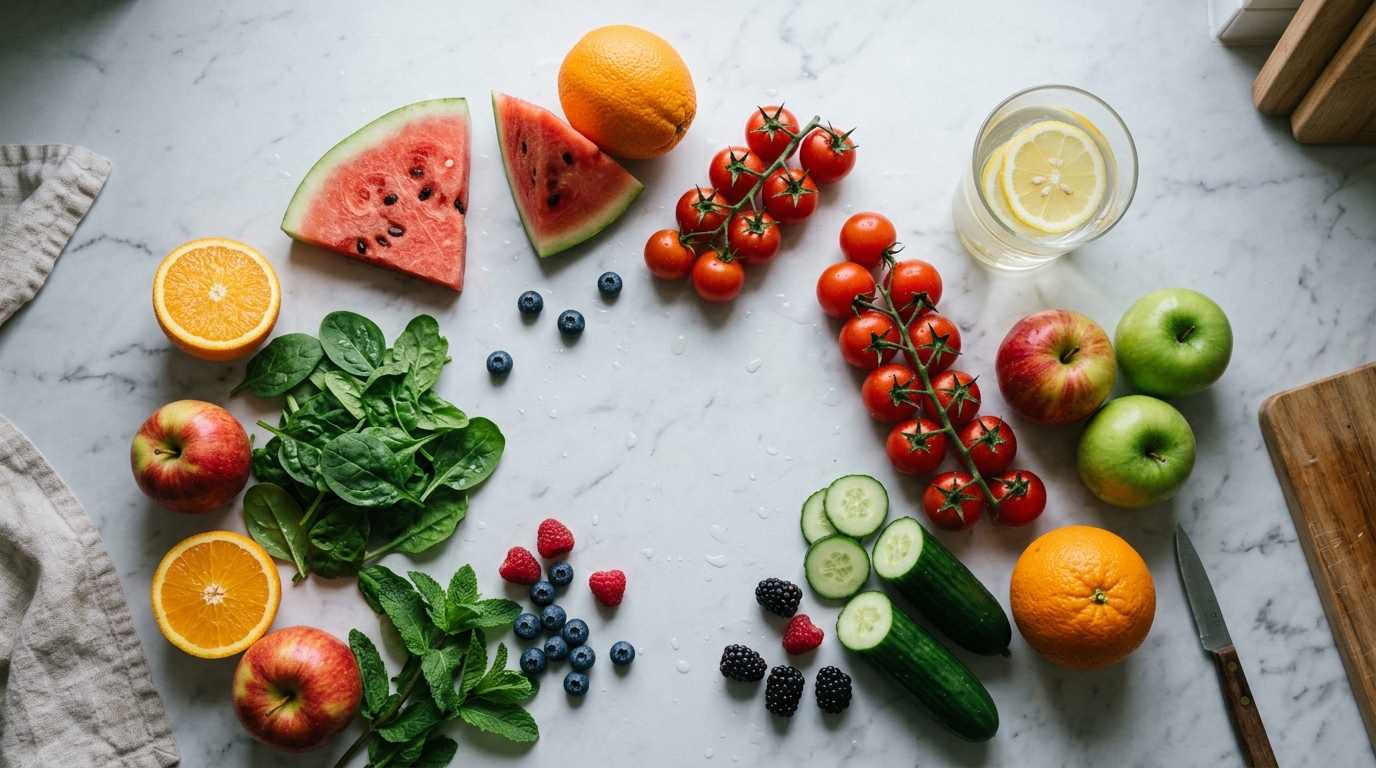
Today is all about vegetables, raw or lightly cooked. Their volume and fiber make them very filling for the calories.
Simple veggie soup: simmer low-sodium vegetable broth with carrots, celery, cabbage, and spinach for 10 to 15 minutes, then season with herbs.
Crunchy snack plate: bell pepper strips, cucumber spears, and cherry tomatoes with black pepper and lemon.

Day 3: Fruits and Vegetables Together
Day 3 of 7 Day Diet Plan for Weight Loss blends the first two days so you get a wider range of nutrients and flavors.
Citrus spinach salad: baby spinach, orange or grapefruit segments, and cucumber, dressed with lemon juice and a teaspoon of olive oil.
Day 4: Bananas, Milk, and Soup
Bananas return today, bringing potassium and a bit more natural energy. Pair them with unsweetened plant milk and another round of vegetable soup.
Banana smoothie: blend one banana with a cup of unsweetened almond or soy milk until smooth.
Day 5: Brown Rice, Tomatoes, and Vegetables
Whole-grain carbohydrates come back today, which should help steady your energy.
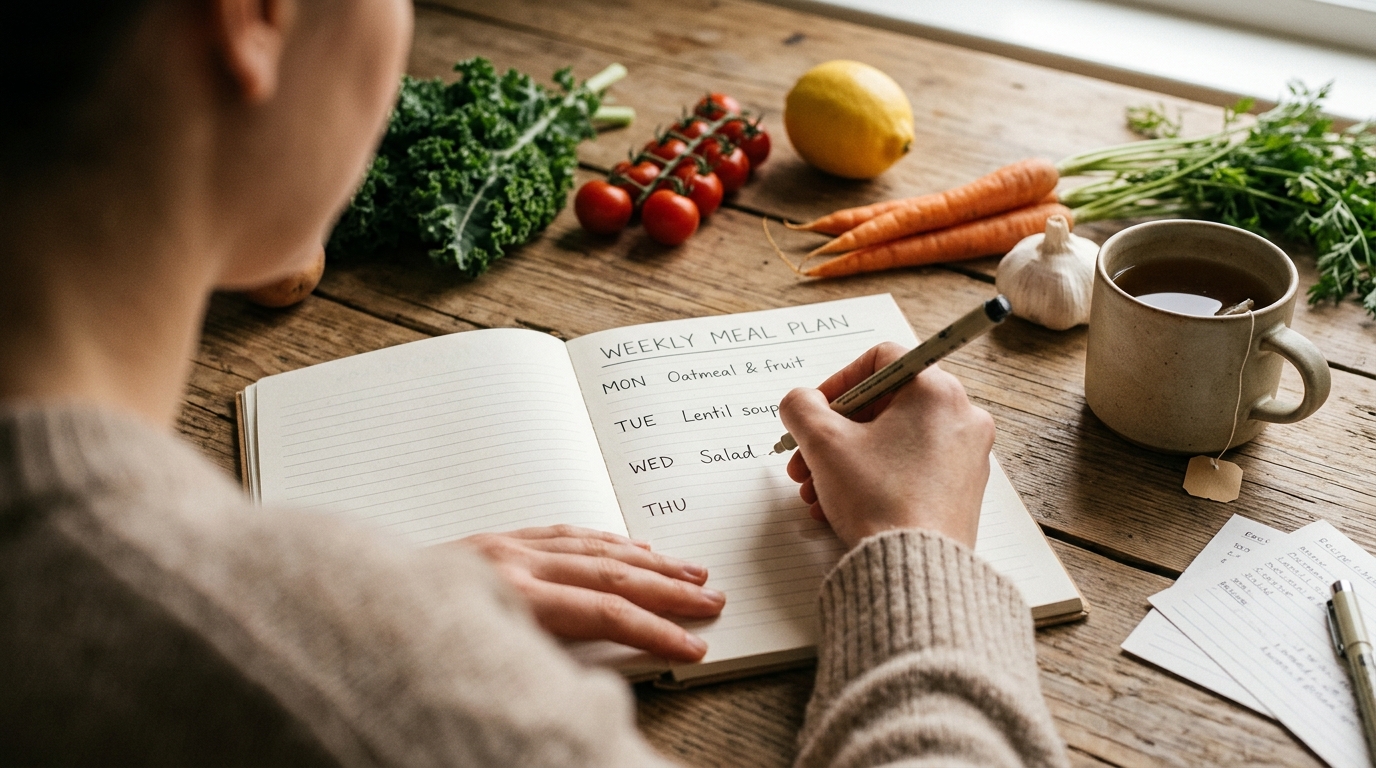
Rice bowl: half a cup of cooked brown rice topped with steamed broccoli and cherry tomatoes, seasoned with salt and pepper.
Fresh tomato salad: diced tomato, cucumber, and shredded carrot tossed with herbs and lemon juice.
Day 6: Repeat the Rice-and-Veggie Pattern
Keep things easy by repeating yesterday’s structure. Familiar meals mean fewer decisions and less temptation to wander.
Quick stir-fry: zucchini, bell pepper, and broccoli cooked in a small amount of oil and served over brown rice.
Day 7: A Balanced Finish
Bring the week together with a plate that borrows from every earlier day: brown rice, a bowl of vegetable soup, and a big salad of leafy greens and tomatoes. If you feel you need more staying power, adding a modest portion of lean protein is reasonable and helps you ease out of the plan.
Drinks and Habits That Support the Plan
A few simple habits make the week more comfortable:
- Green tea contains catechins that may nudge fat oxidation slightly
- Black coffee, in moderation, can offer a small boost in calorie burn
- Warm lemon water is a soothing way to start the day
- Plenty of plain water keeps hunger signals clear and supports digestion
None of these are magic. Their effect is modest, and they work best alongside the meal structure above.

Why a Plan Like This Can Work (and Its Limits)
Weight loss comes down to a calorie deficit: using more energy than you take in. This plan creates one by leaning on low-calorie whole foods, and the fiber and fluid content keep you fuller than you’d expect. Cutting out processed food and added sugar for a week also tends to reduce bloating and cravings.
It helps to understand metabolism, the set of chemical processes that turns food into energy. Certain compounds, like caffeine and green tea catechins, can raise energy expenditure a little, while protein and muscle mass support a healthier metabolic rate over time. A week of mostly fruits and vegetables won’t transform your metabolism, though. What it can do is interrupt habits and give you a clean starting point.
The Challenges of Rapid Weight Loss
Be prepared for a few realities:
- Hunger and low energy are common, especially on Days 1 to 3
- Diet matters more than exercise for short-term scale changes
- Water weight returns quickly when you resume normal eating and salt intake
- Consistency is easier when meals are simple and planned in advance
Rapid loss is not the same as lasting fat loss. Many people regain a portion of the weight if they jump straight back to old patterns, which is why the week after matters as much as the week itself.

After the 7 Days: How to Keep Your Results
Move gradually into a balanced way of eating that includes:
- Whole grains such as brown rice, oats, and quinoa
- Lean proteins like fish, eggs, poultry, tofu, or legumes
- Healthy fats from olive oil, nuts, and avocado
- Plenty of vegetables and fruit
Avoid celebrating with a heavy, sugary, or highly processed meal. Reintroduce foods steadily, keep drinking water, and add regular movement as your energy returns. A realistic long-term pace, such as one to two pounds a week, is far easier to maintain than a dramatic one-week drop.
Final Thoughts about 7 Day Diet Plan for Weight Loss: Use It as a Reset, Not a Shortcut
This 7 day plan is best seen as a behavioral reset. Done sensibly, it can help you feel lighter, calm down bloating, reconnect with real hunger cues, and break a cycle of grabbing processed snacks. Its strength is simplicity: whole foods, plenty of fluids, and a gradual return of carbohydrates.
Just keep expectations grounded. The number on the scale after one week says little about long-term progress. What counts is the routine you build afterward. Think of these seven days as a starting line, not a finish line, and let them lead into habits you can enjoy for the long haul.