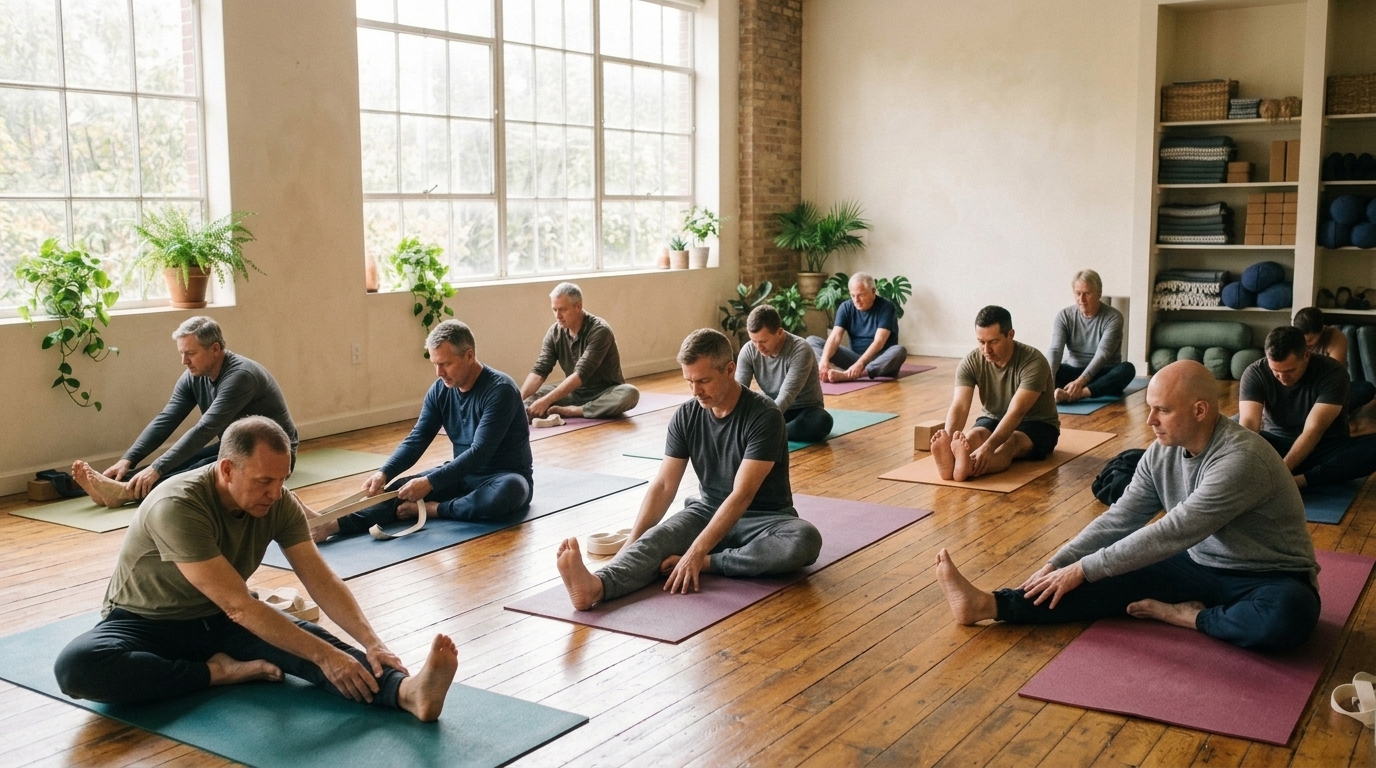
Most people know exercise is “good for you,” but that phrase hides how much it actually does. Once you pass 40, muscle mass, bone density, and metabolic rate begin to drift downward. Regular movement is one of the most effective ways to slow that drift. The benefits of exercise reach well beyond the scale: a stronger heart, steadier moods, deeper sleep, and a body that feels easier to live in. Here is what consistent training does for you, and how to start without burning out. Benefits of Regular Movement

What Regular Exercise Does Inside Your Body
A Stronger Heart and Healthier Blood Pressure
Aerobic activity such as brisk walking, cycling, or swimming trains your heart to pump more blood with each beat. Over time, resting heart rate and blood pressure tend to fall and triglycerides drop. HDL, the “good” cholesterol, often rises. Together these changes lower your risk of heart disease, which matters more with every passing decade.

Muscle and Bone That Hold Up Longer to gain Benefits of Regular Movement
Adults gradually lose muscle from their thirties onward. Bone density declines too, especially for women after menopause. Resistance training and weight-bearing activities like walking, jogging, and lifting signal your muscles and skeleton to rebuild. Paired with enough calcium, vitamin D, and protein, this lowers the risk of osteoporosis, fractures, and falls.
A Metabolism That Works With You
Muscle tissue burns more energy at rest than fat does, so building it nudges your daily calorie burn upward. Exercise also improves insulin sensitivity, which helps your body handle blood sugar more efficiently. Add two strength sessions a week to your cardio and you give weight management a solid foundation.
Smarter Belly Fat Loss
Exercise cannot target fat in one spot. Still, regular activity combined with sensible eating is especially effective at reducing visceral fat, the deep abdominal fat linked to metabolic disease. Many people notice their waistline changing before the scale does.
How Exercise Supports Your Brain and Mood
A Natural Mood Lift
Physical activity triggers endorphins and other brain chemicals associated with well-being. It also hands you a daily win, which builds confidence. Many clinicians recommend exercise alongside other strategies for managing stress, low mood, and anxiety.

Sharper Memory and Focus
Research links aerobic exercise with improved blood flow to the brain and with a larger hippocampus, a region central to learning and memory. Regular movement is increasingly viewed as one of the best habits for long-term cognitive health.
Deeper, More Restful Sleep
Active people tend to fall asleep faster and spend more time in deep sleep. Exercise also burns off the tension that keeps your mind racing at bedtime. Try to finish intense workouts a few hours before you turn in.
Everyday Benefits You Will Notice Quickly
More Energy for Daily Life
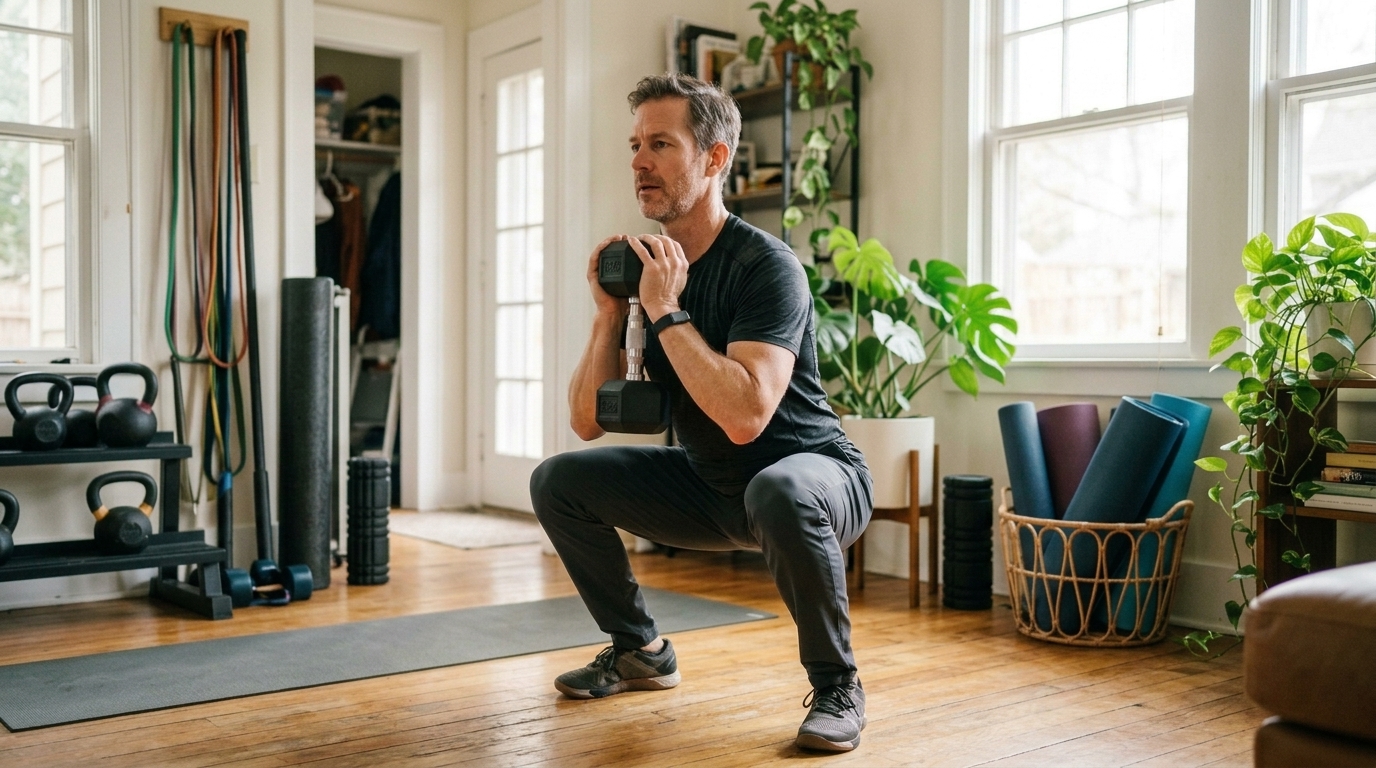
Climbing stairs, carrying groceries, and keeping up with kids or grandkids all get easier as your stamina grows. Many people report that the first noticeable change is simply feeling less tired by mid-afternoon.
Better Posture and Flexibility
Strong core and back muscles support your spine and make upright posture feel natural. Regular stretching and mobility work keep joints moving freely and reduce the stiffness many people attribute to age. A proper warm-up and cool-down makes every workout safer.


Relief from Everyday Aches
A strong core and hips take pressure off the lower back, which is why many people with chronic back discomfort are encouraged to stay active. If you have a diagnosed spine or joint condition, ask your doctor or physical therapist which movements are right for you.
Stronger Immune Defense
Moderate, consistent exercise is associated with fewer upper respiratory infections. Balance matters, though. Overtraining without enough rest can have the opposite effect.
A Healthier, More Youthful Look
Better circulation, improved sleep, and lean muscle all contribute to a fresher appearance. Fitness measures in active adults often resemble those of people many years younger, which is why exercise is often described as one of the best anti-aging habits available.
How Much Exercise Do You Need?
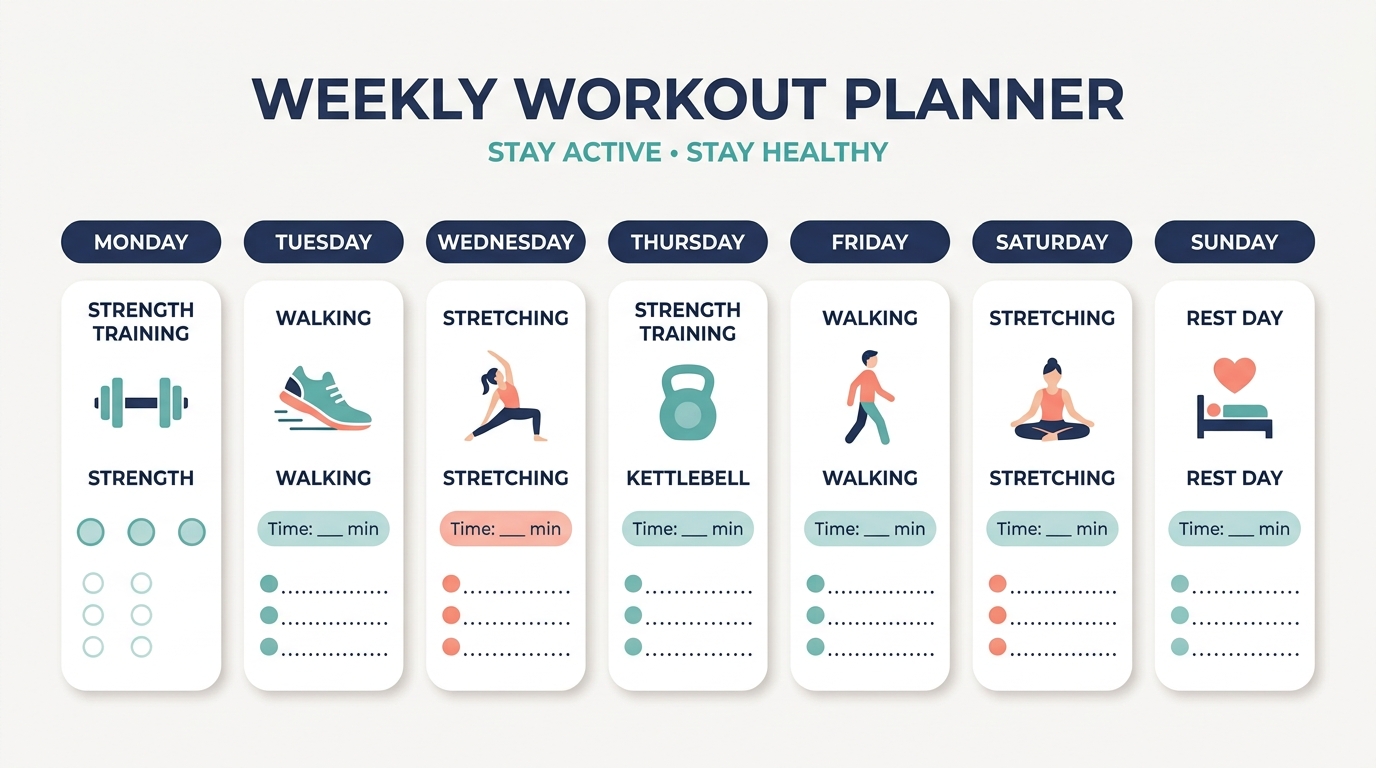
Major health agencies recommend at least 150 minutes of moderate aerobic activity each week, plus muscle-strengthening work on two or more days. That might look like 30-minute brisk walks five days a week and two short full-body strength sessions. If that sounds like a lot, start with ten minutes a day and build gradually. Consistency beats intensity, especially in the first few months. If you have a medical condition or have been inactive for a long time, check with your doctor first.

Your Next Step to get Benefits of Regular Movement
The benefits of regular exercise show up in your heart, bones, brain, sleep, and daily energy, and they keep compounding the longer you stay at it. You do not need a perfect plan or an expensive gym. You need a first workout and a reason to schedule the second.