Sunrise and morning photography is one of the fastest-growing visual trends right now. Pinterest data shows Pin saves for this theme up about 400% versus last month, and people keep searching for “good morning nature sunrises,” “morning sunrise,” and “early morning sunrise.”
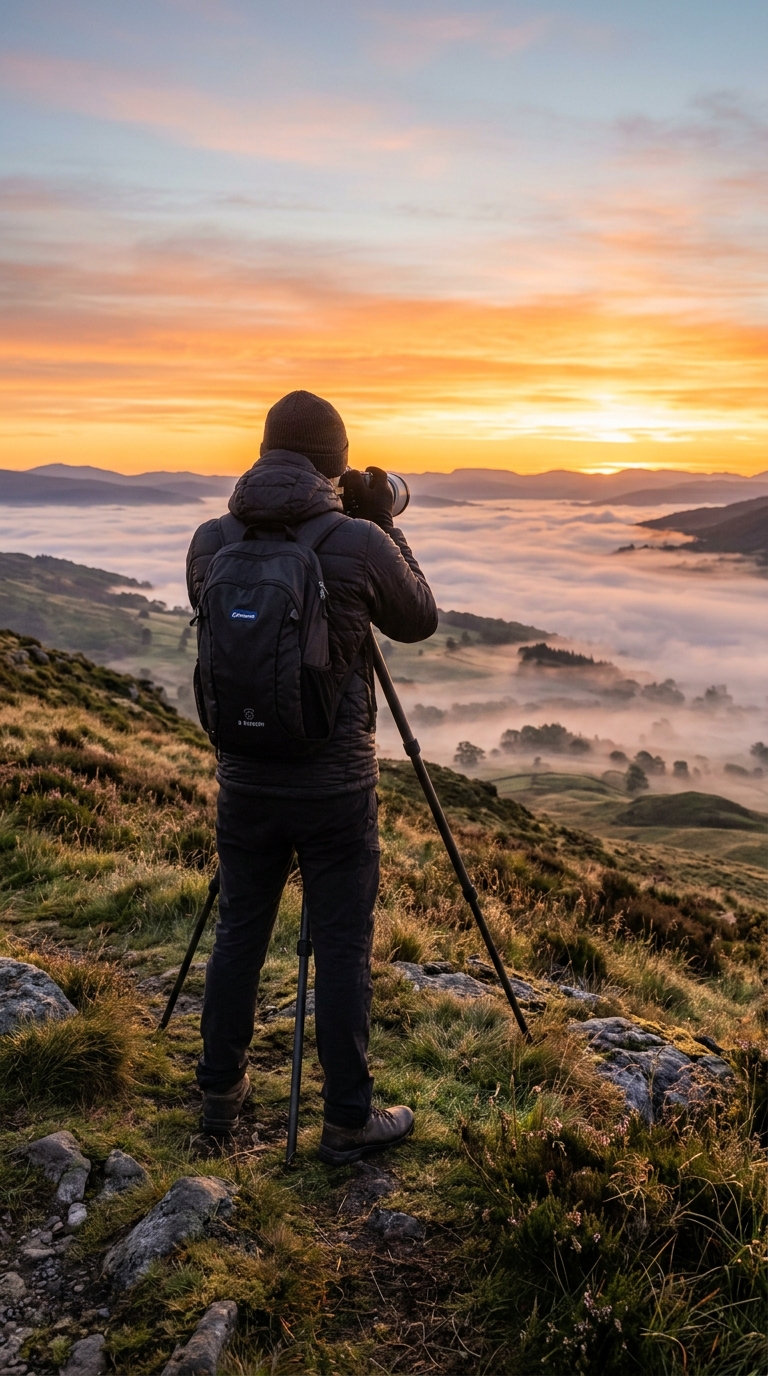
This guide explains why morning light looks so good, when to shoot, which settings to use, how to compose your frame, and which ideas to try.
Quick Answer: What Is Sunrise and Morning Photography?
Sunrise and morning photography is the practice of capturing landscapes, nature, and everyday scenes in the soft, warm light around dawn. Photographers usually shoot from the blue hour before sunrise through the first hour of golden light afterward, when the sky has rich colors, shadows are gentle, and the air is often calm and clear.
Key Takeaways
- Start shooting 30-45 minutes before sunrise to catch pre-dawn color, and stay for the first hour after.
- Use a tripod, a low ISO, and a mid-range aperture for sharp landscape shots.
- Lakes, mountains, flowers with dew, and silhouettes are the most popular subjects.
- Smartphones can capture excellent sunrises with tap-to-expose and HDR.
- Never look at the sun directly through a viewfinder or lens.

Why Sunrise and Morning Photography Is Trending
Morning content matches the current mood for calm, hopeful, “fresh start” visuals. The main drivers are:
- Emotional appeal: Golden light feels peaceful and optimistic.
- Easy to share: Sunrise images work as wallpapers, quotes backgrounds, and good morning posts.
- Accessible: A phone is enough to start.
- Variety: The theme covers seascapes, mountains, fields, gardens, and city views.
Best Time for Sunrise and Morning Photography
Light changes quickly at dawn, so timing matters:
| Phase | Approximate Timing | Look |
|---|---|---|
| Blue hour | Before sunrise | Cool blue and purple tones, soft and quiet |
| Sunrise | Sun at the horizon | Orange and red sky, strong glow, high contrast |
| Golden hour | First hour after sunrise | Warm, soft, directional light |
| Early morning | After golden hour | Brighter, cleaner light, good for dewy details |
Check a sunrise app or weather service the night before, and arrive early to set up. Partly cloudy skies usually give more dramatic color than a fully clear or fully overcast sky.

Essential Gear for Morning Photography
- Camera or smartphone: Any camera with manual control helps, but a phone works too.
- Tripod: Keeps shots sharp in low light and allows longer exposures.
- Wide-angle lens: Great for sweeping landscapes.
- Telephoto lens: Makes the sun appear larger against distant mountains.
- Graduated ND filter: Balances a bright sky with a darker foreground.
- Lens cloth: Morning dew and mist can fog the lens.
- Warm layers and a flashlight: Dawn is often cold and dark when you arrive.
Best Camera Settings for Sunrise Photography
These are starting points. Adjust to your scene.
| Setting | Suggested Value | Why |
|---|---|---|
| Mode | Aperture priority or Manual | Gives control over depth of field |
| ISO | 100-400 | Keeps noise low |
| Aperture | f/8-f/11 | Sharp landscapes front to back |
| Shutter speed | As needed (tripod for slow speeds) | Balances exposure |
| White balance | Daylight or Cloudy | Keeps warm tones rich |
| Format | RAW | Better editing of highlights and shadows |
| Exposure | Slightly underexpose (-0.3 to -1) | Protects bright sky detail |
If the sky is much brighter than the land, take several bracketed exposures and blend them later.
Composition Tips for Better Sunrise Photos
- Use the rule of thirds: Place the horizon on the upper or lower third line.
- Add foreground interest: Rocks, flowers, fences, or boats create depth.
- Use leading lines: Paths, shorelines, and piers guide the eye toward the sun.
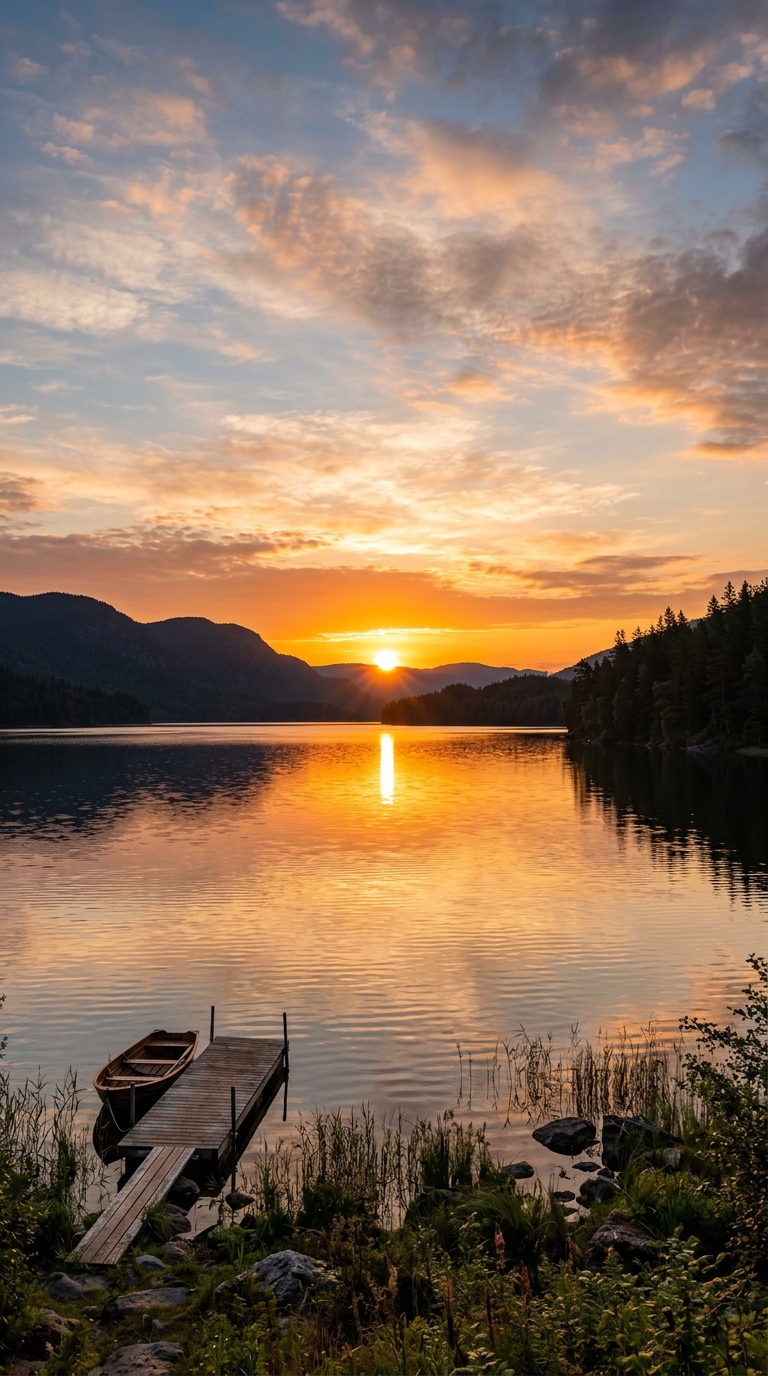
- Look for reflections: Water doubles the color of the sky.
- Frame with nature: Tree branches or arches add a natural border.
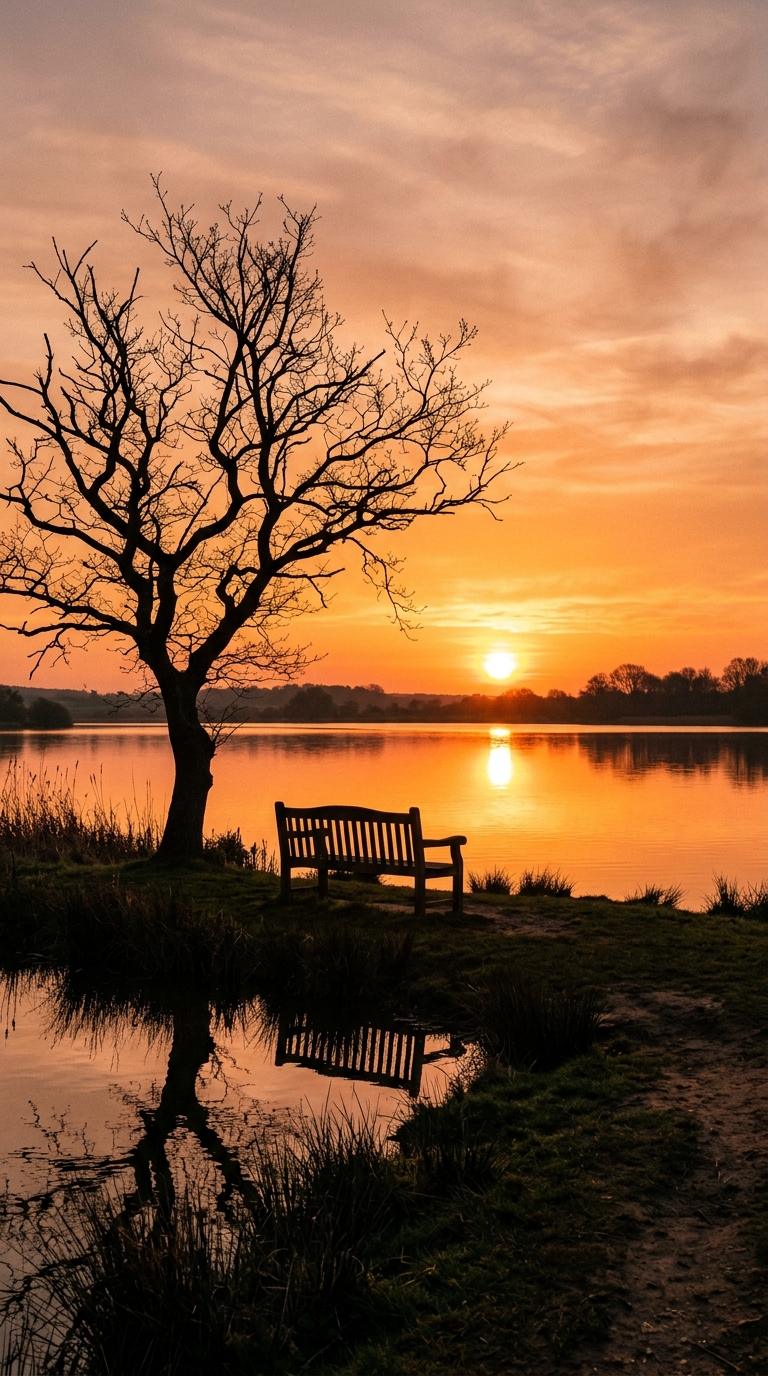
- Try silhouettes: Expose for the sky so subjects turn into dark shapes.
- Turn around: Warm light on hills, buildings, or mist behind you can be just as beautiful.

Popular Sunrise and Morning Photography Ideas
1. Sunrise Over Water
Lakes, rivers, and seas reflect the sky, which doubles the color. Calm water gives mirror-like results.
2. Misty Mountain Sunrise
Layered ridges with fog create depth and a dreamy mood.
3. Dew-Kissed Flowers at Sunrise
Close-ups of petals with morning dew and soft backlight. Shooting low and using a wide aperture (like f/2.8 to f/4) gives a creamy background.
4. Silhouette Sunrise
Trees, benches, people, or boats against a glowing sky. Simple shapes work best.
5. Sunrise Through Trees
Branches and leaves frame the sun, and a small aperture (f/11 or higher) can create a sunburst effect.
6. Fields and Countryside at Dawn
Low light across crops, grass, or farm paths adds warm texture.
7. City Sunrise
Skylines, bridges, and quiet streets with the first light.
8. Cozy Morning Details
Coffee on a balcony, window light, and soft interiors. These work well for lifestyle and “good morning” content.
Sunrise Photography With a Smartphone
- Tap the screen on the sky or sun, then lower the exposure slider slightly.
- Turn on HDR so highlights and shadows are balanced.
- Clean the lens before shooting.
- Use a small tripod or lean on a stable surface.
- Try panorama mode for wide mountain or lake views.
- Use burst or video if clouds are moving quickly.
How to Edit Sunrise and Morning Photos
- Lower highlights to bring back sky detail.
- Lift shadows slightly for foreground detail.
- Adjust white balance for a warm but natural look.
- Boost vibrance rather than saturation to avoid harsh colors.
- Add mild contrast and a small amount of clarity or dehaze for mist and haze.
- Crop for Pinterest with a vertical 2:3 ratio to stand out in feeds.
Safety Tips for Early Morning Shoots
- Never look directly at the sun through a camera or binoculars.
- Tell someone your location if you shoot somewhere remote.
- Watch your footing near cliffs, wet rocks, and water edges.
- Carry a flashlight and dress for the cold.
- Respect private property and local rules in parks and nature areas.
Frequently Asked Questions About Sunrise and Morning Photography
What is the best time for sunrise photography?
Arrive 30-45 minutes before sunrise and shoot through the first hour afterward. This covers blue hour, sunrise, and golden hour.
What camera settings are best for sunrise photography?
Start with ISO 100-400, f/8-f/11, RAW format, and a tripod. Slightly underexpose to protect bright sky detail.
Can I take good sunrise photos with my phone?
Yes. Tap to set exposure on the sky, use HDR, keep the lens clean, and stabilize the phone.
What makes a sunrise photo look dramatic?
Clouds, reflections, a strong foreground, and layered scenery like mountains or mist.
Why are my sunrise photos too dark or washed out?
The sky is much brighter than the land. Expose for the sky, bracket shots, or use a graduated filter, then balance in editing.
What is the difference between sunrise and golden hour?
Sunrise is the moment the sun appears over the horizon. Golden hour is the longer period of warm, soft light after sunrise (and before sunset).


Final Thoughts
Sunrise and morning photography is about patience and timing. A little planning, the right settings, and a strong foreground can turn an ordinary morning into a standout image. Set an early alarm, pack your gear, and keep experimenting with light, color, and composition.