Most people don’t fail at weight loss because they lack willpower. They fail at 6:45 p.m. on a Wednesday, tired and hungry, with nothing ready to eat. Meal prep fixes that moment before it happens. This guide explains why prepping works, how to build meals that keep you full, and how to run a simple two-session weekly routine with a sample menu you can adapt. Meal Prep for Weight Loss
Why Meal Prep Works for Weight Loss
Weight loss comes down to eating slightly fewer calories than your body uses, and sticking with that for weeks. Meal prep helps because it removes the daily decisions that cause drift. When lunch is already packed, the drive-thru loses its appeal.
Prepping also gives you control over three things that matter. Portions are set before you’re hungry. Protein and fiber are built in, so meals stay satisfying. And the cost is predictable, since a planned grocery list wastes less food than improvised shopping.
Decision fatigue is the real enemy
Every unplanned meal is a small negotiation with yourself. Dozens of those negotiations over a week add up. A prepped fridge turns most of them into a yes-or-no question: eat the container or don’t.
Set Your Targets Before You Cook
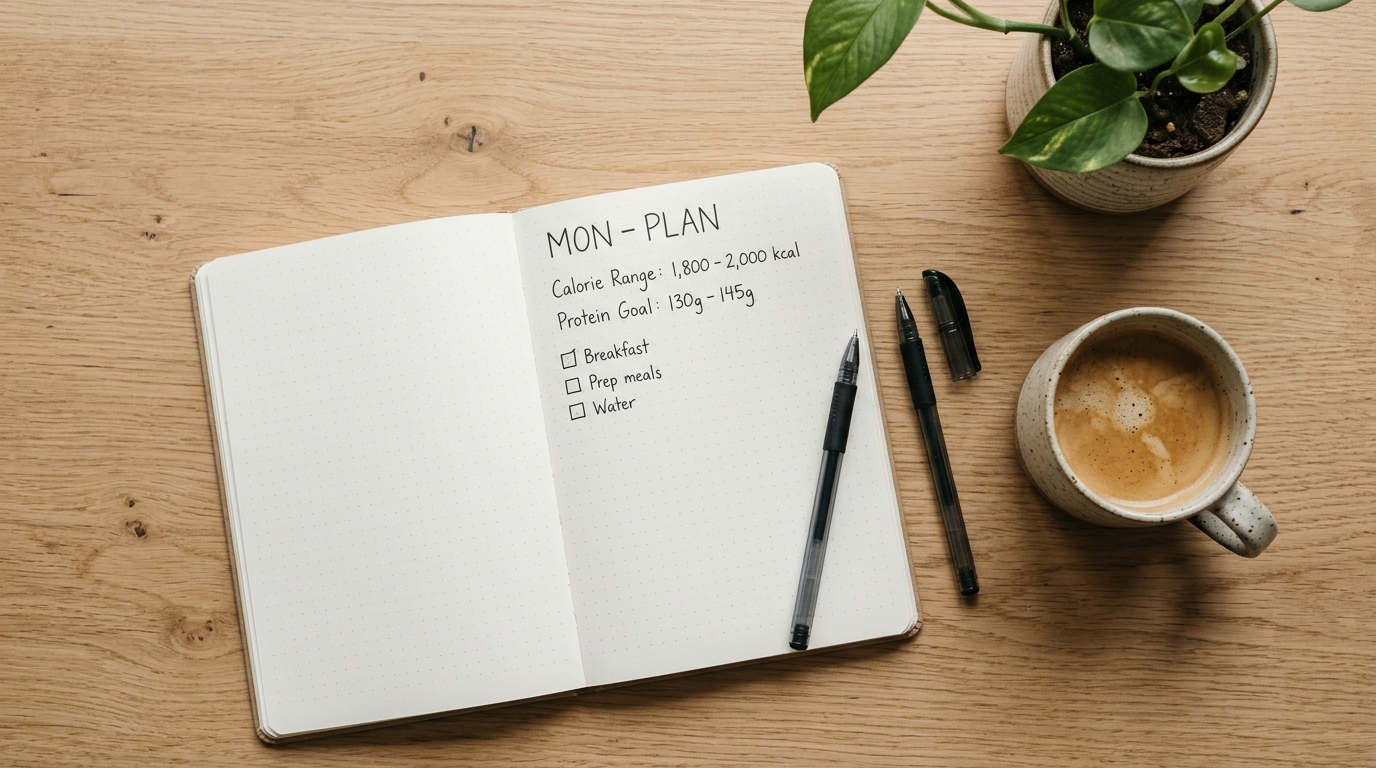
Calorie needs vary widely by age, size, activity level, and health history, so treat any number you read online, including the ranges below, as a starting point. Many adults aiming for gradual loss land somewhere between 1,400 and 2,000 calories a day, and a registered dietitian or your doctor can fine-tune that for you.
Two simple targets are worth setting:
- A daily calorie range you can sustain without feeling deprived.
- A protein anchor at each meal. Protein is the most filling macronutrient, and spreading it across the day helps control hunger.
The Prep Plate Formula
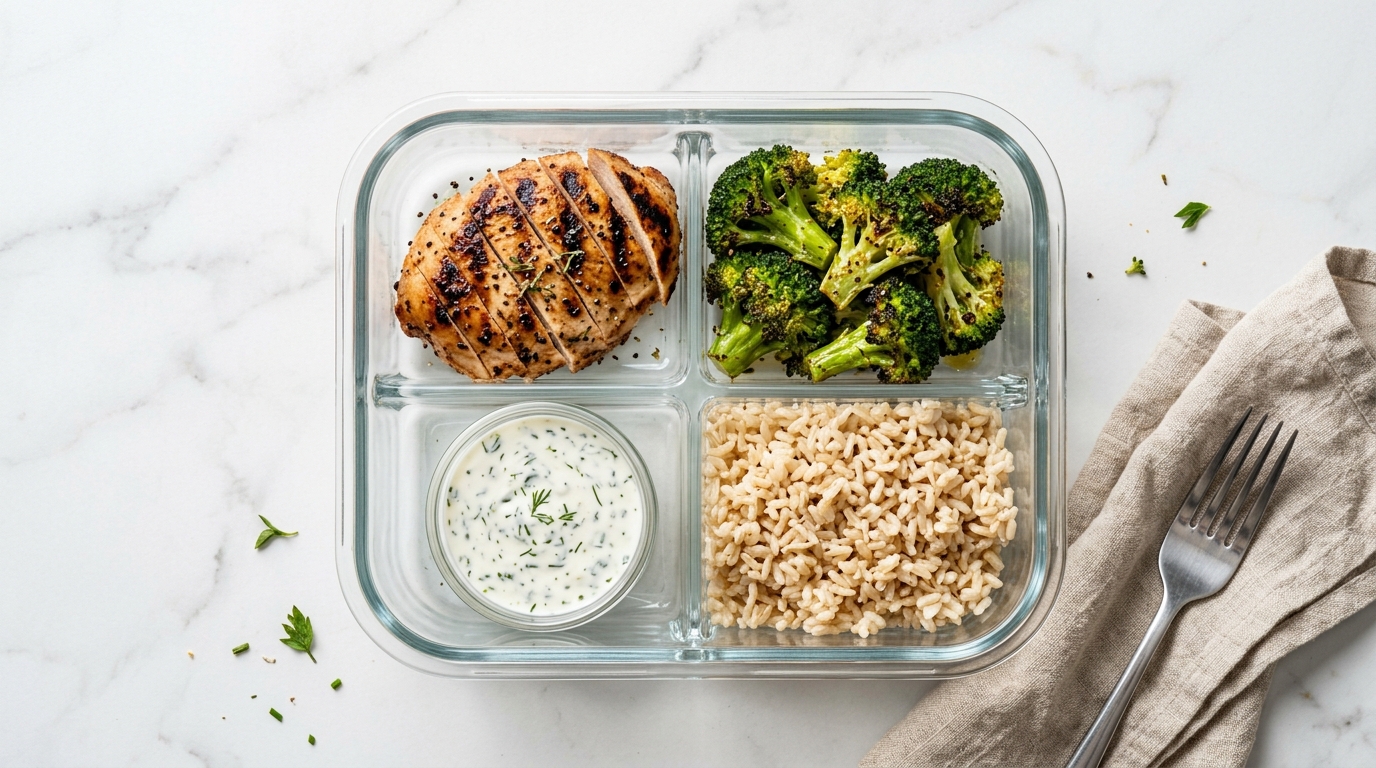
Instead of memorizing recipes, learn a template. Almost every successful prepped meal follows the same four-part build:
- Lean protein: chicken, turkey, shrimp, eggs, tofu, lentils, Greek yogurt
- Fiber-rich vegetables: at least half the container
- Smart carbohydrate: brown rice, potatoes, beans, oats, whole-grain wraps
- Flavor and fat: olive oil, avocado, nuts, or a bold sauce used in small amounts
Sauces deserve special mention. A good salsa, chimichurri, or yogurt-herb dressing is what keeps day-five chicken from tasting like a chore.
Why Two Short Sessions Beat One Marathon
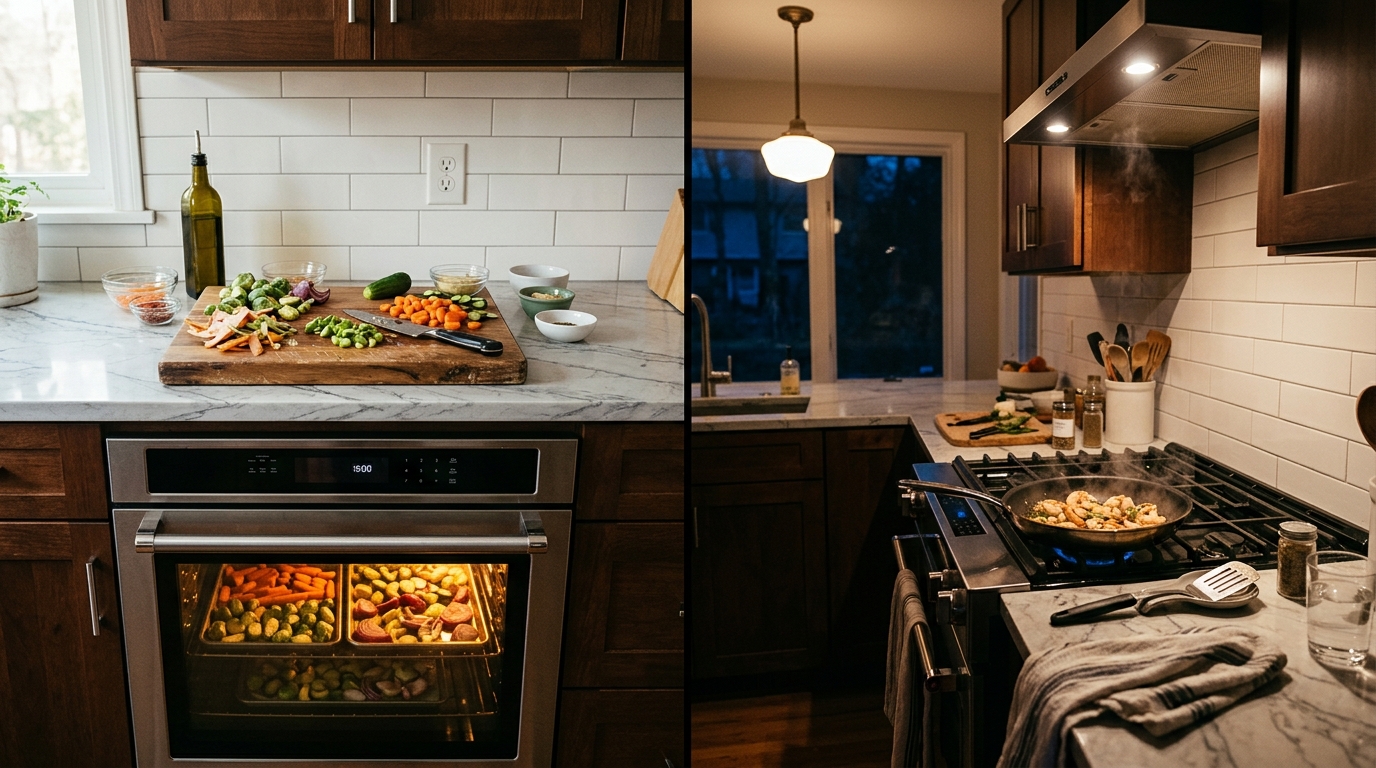
The classic advice is to cook everything on Sunday. The problem is that food quality drops by day five, and a four-hour cooking marathon is exactly the kind of thing people quit. Splitting the work into two sessions solves both issues.
- Session One (Sunday, about 75 minutes): Prep meals for Monday through Wednesday lunch.
- Session Two (Wednesday evening, about 60 minutes): Prep for Wednesday dinner through Sunday.
This also keeps your food within standard refrigerator safety windows, which we’ll cover below.

A Sample Menu to Borrow
This menu uses simple, flexible components. Swap proteins and vegetables freely to match your taste and budget. It is useful for Meal Prep for Weight Loss
Breakfasts
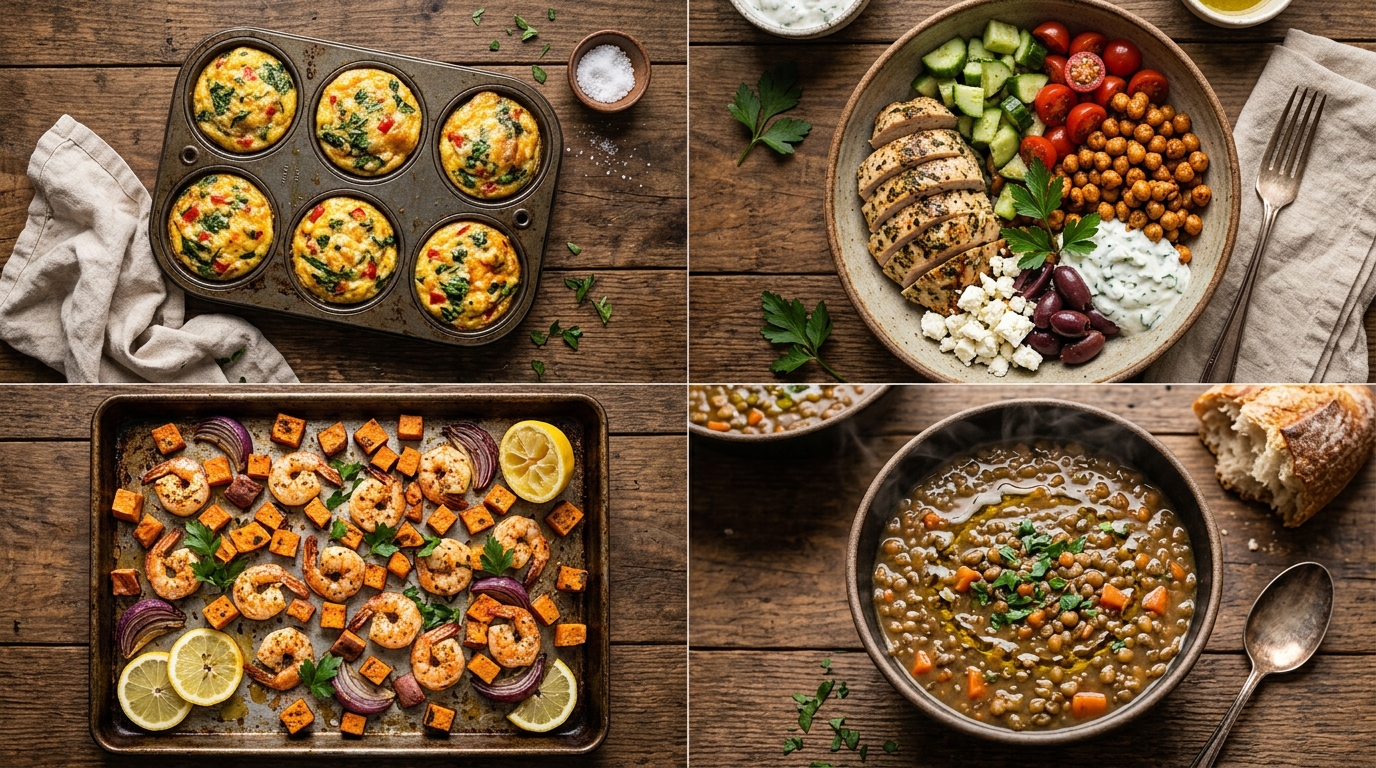
Veggie egg bites (Days 1–3): Whisk eggs with spinach, bell pepper, and a little feta, bake in a muffin tin, and reheat in the microwave. Berry yogurt jars (Days 4–7): Layer plain Greek yogurt, berries, and a spoonful of chia or oats the night before.
Lunches
Chicken and chickpea Mediterranean bowls (Days 1–3): Roasted chicken, chickpeas, cucumber, tomato, and red onion over a small scoop of farro, with lemon-garlic yogurt sauce packed separately. Turkey taco bowls (Days 4–7): Seasoned ground turkey, black beans, corn, and shredded lettuce over brown rice, with salsa on the side.
Dinners
Sheet-pan sausage-free shrimp and vegetables (Days 1–3): Shrimp, broccoli, and sweet potato cubes roasted together with olive oil and smoked paprika. Lentil and vegetable soup (Days 4–7): A big pot of lentils, carrots, celery, tomatoes, and greens that reheats beautifully and freezes well.
Snacks
Rotate crisp apple slices with peanut butter, edamame in the pod, cottage cheese with pineapple, or a small handful of almonds.
Your Grocery List, Organized by Store Section
Shopping by section keeps trips fast and prevents impulse buys.
- Produce: spinach, bell peppers, cucumbers, tomatoes, broccoli, sweet potatoes, carrots, celery, lemons, berries, apples
- Protein: chicken breasts or thighs, shrimp, lean ground turkey, eggs
- Dairy: plain Greek yogurt, feta, cottage cheese
- Pantry: chickpeas, black beans, lentils, farro, brown rice, olive oil, spices, salsa, peanut butter, almonds
- Frozen: edamame, extra vegetables as a backup

Food Safety: How Long Prepped Meals Really Last
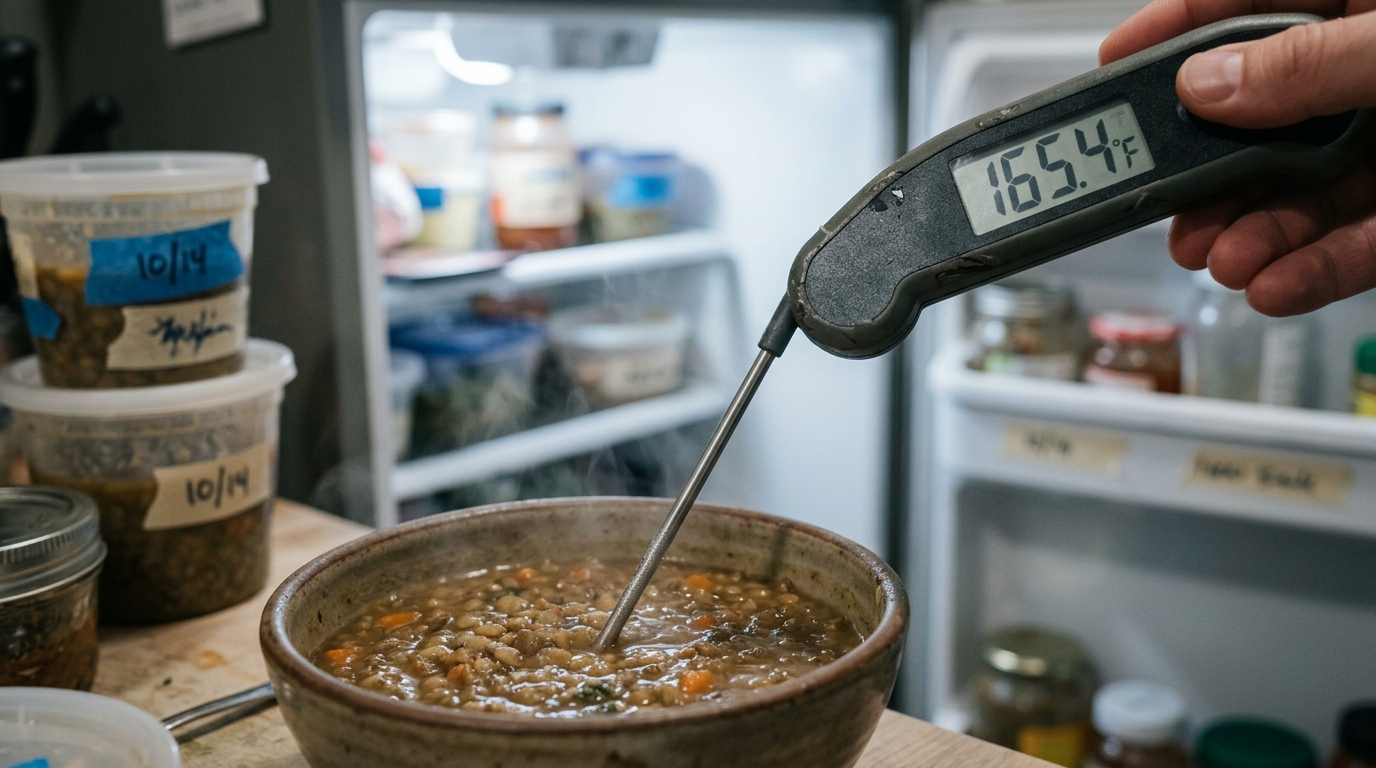
This is the part many meal prep guides gloss over. Cooked food should be refrigerated within two hours of cooking, or within one hour if the room is hot. Most food-safety guidance says cooked leftovers stay good in the fridge for about three to four days, and reheated food should reach 165°F (74°C).
That timeline is the reason the two-session plan works. Meals for the second half of the week go into the freezer on prep day or wait for Session Two. Soups, cooked grains, and shredded meats freeze especially well. Thaw overnight in the refrigerator, then reheat until steaming hot.
Keep vegetables crisp
Store dressings and sauces separately, line salad containers with a paper towel, and keep wet and dry ingredients apart until you eat. Fresh herbs added at serving time make a prepped meal taste freshly made.

Choosing Containers That Make You Want to Eat
Good containers matter more than they seem to. Glass handles microwaves and doesn’t hold odors, while BPA-free plastic is lighter for commuting. Divided containers keep crunchy items from going soggy, and small leak-proof cups are ideal for sauces. Labeling each container with the day and meal removes any guesswork about what to eat first.

Common Mistakes That Derail Meal Prep
Prepping food you don’t actually like. If you dread the menu, you’ll abandon it by Thursday. Choose meals you’d happily order at a restaurant.
Cooking the same dish for seven days. Rotate at least two meals per category to avoid burnout.
Skipping snacks. Planned snacks prevent the late-afternoon raid on the pantry.
Ignoring flexibility. Leave one or two meals a week unplanned for dinners out, and enjoy them without guilt.

Frequently Asked Questions
Can meal prep alone make me lose weight?
Meal prep is a tool, not a guarantee. It helps most when your prepped portions fit a calorie level that works for you and you pair it with regular movement, enough sleep, and patience.
How do I avoid getting bored?
Change the sauce, not the whole meal. The same chicken can be taco-seasoned, lemon-herb, or curry-spiced for very different results.
Do I need to count calories?
Not always. Some people do well with simply following the plate formula and watching portion sizes. If you plateau, tracking for a week or two can show you where the extra calories are hiding.
Start Small and Build the Habit
You don’t need a perfect plan or a fridge full of matching containers to begin. Pick one session, choose three recipes you already enjoy, and prep just your lunches this week. Once that feels easy, add breakfasts or dinners. Over a few weeks, the routine becomes automatic, and the 6:45 p.m. scramble stops being a problem.