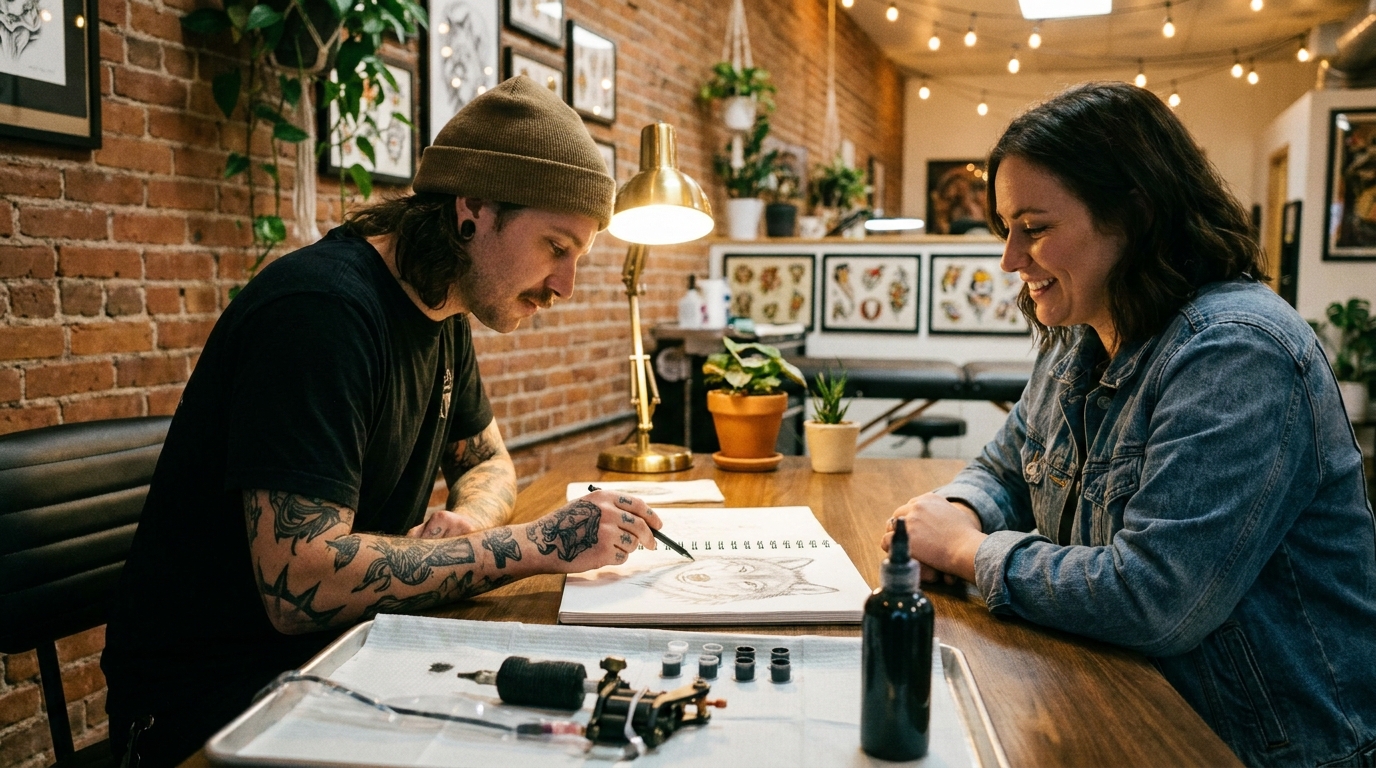
If you’ve been circling tattoo inspiration boards looking for something that actually says who you are, a lone wolf tattoo deserves a spot on your shortlist. Wolves rank among the most requested animal tattoos for a reason: they’re read instantly as symbols of leadership, protection, and toughness, while the “lone wolf” framing specifically nods to going it alone, thinking for yourself, and trusting your own judgment over the crowd’s.
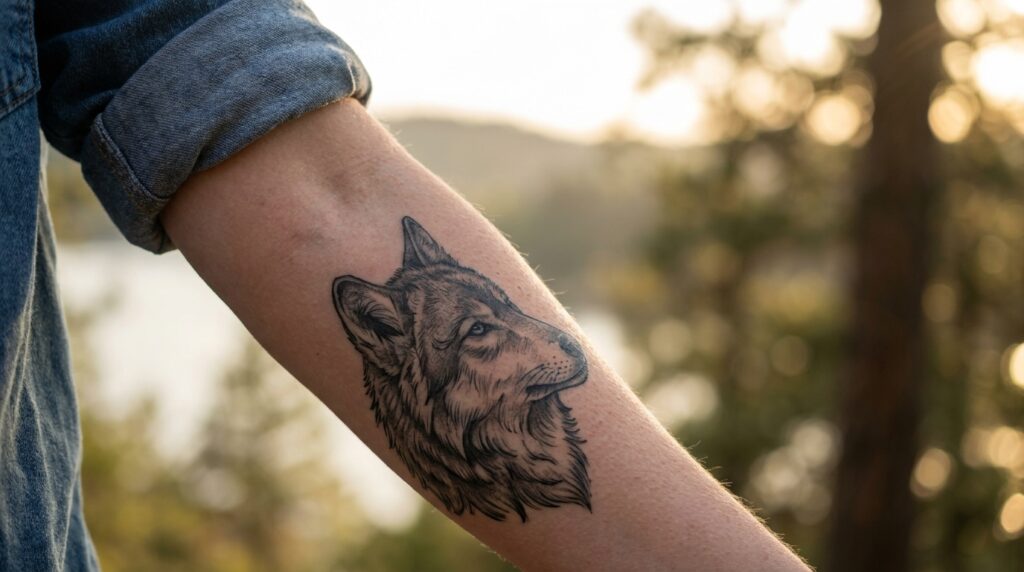
Below, we break down what this design actually communicates, then walk through seven distinct takes on it realistic portraits, tribal linework, and everything in between — so you can find the version that fits your story and y
What Does A Lone Wolf Tattoo Mean?
At its core, a lone wolf tattoo is shorthand for independence and self-reliance. It’s the tattoo equivalent of saying “I don’t need a pack to know my direction.” People who choose this design tend to identify with:
- A strong, individual sense of self rather than group identity
- Resilience built through solitude, not despite it
- A deep respect for the natural world and instinctive strength
- The confidence to forge a path that others haven’t walked
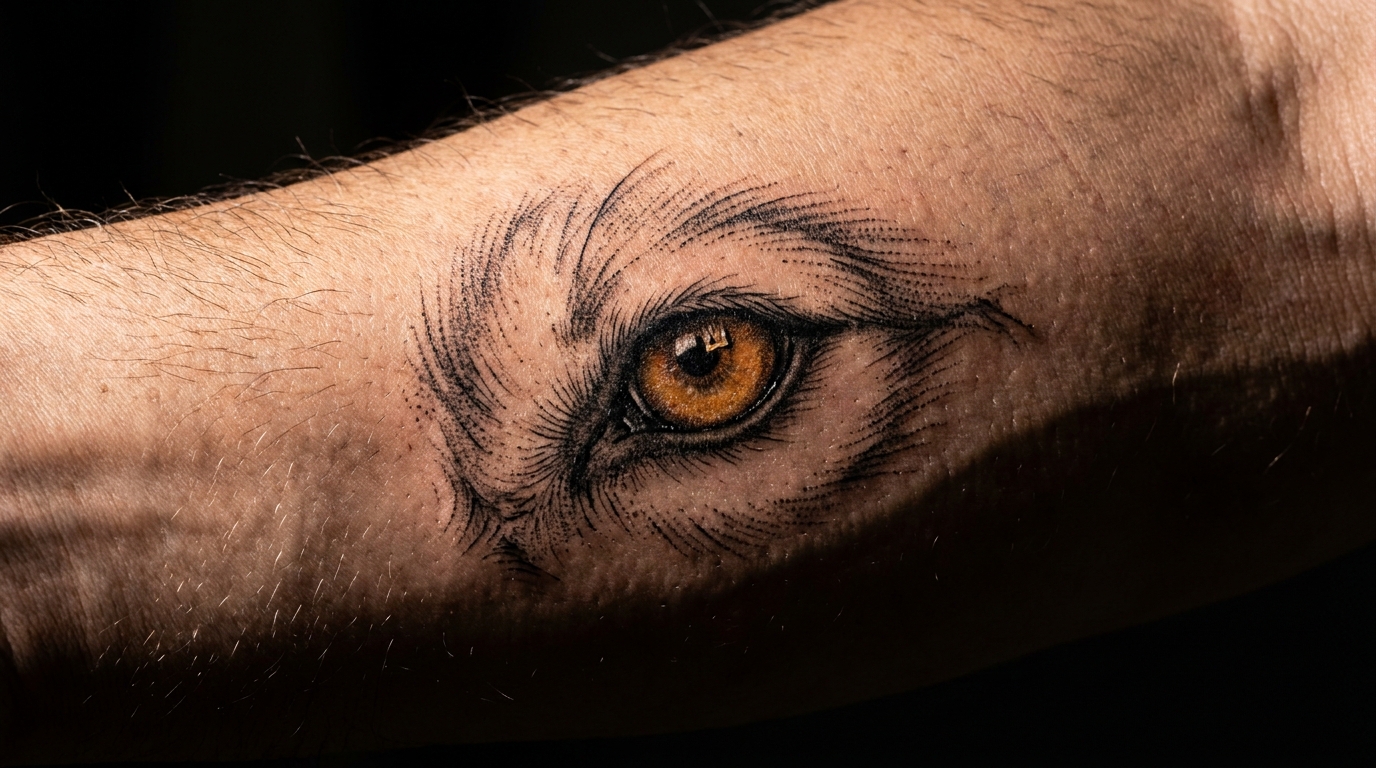
Placement matters, too. A wolf inked across the thigh or calf tends to read as grounding — power rooted low, close to the earth. On the back, it becomes something you carry with you, a reminder that you can face what’s coming even when your back is turned to it. Forearms and hands put the symbol front and center, visible in everyday movement.
| Placement | Symbolic Read | Best For |
|---|---|---|
| Forearm | Visibility, everyday reminder | Bold statement pieces |
| Thigh/Calf | Grounding, rooted strength | Larger, detailed portraits |
| Back | Facing challenges, quiet resolve | Wraparound or scenic designs |
| Back of hand | Constant, close reminder | Smaller, stylized art |
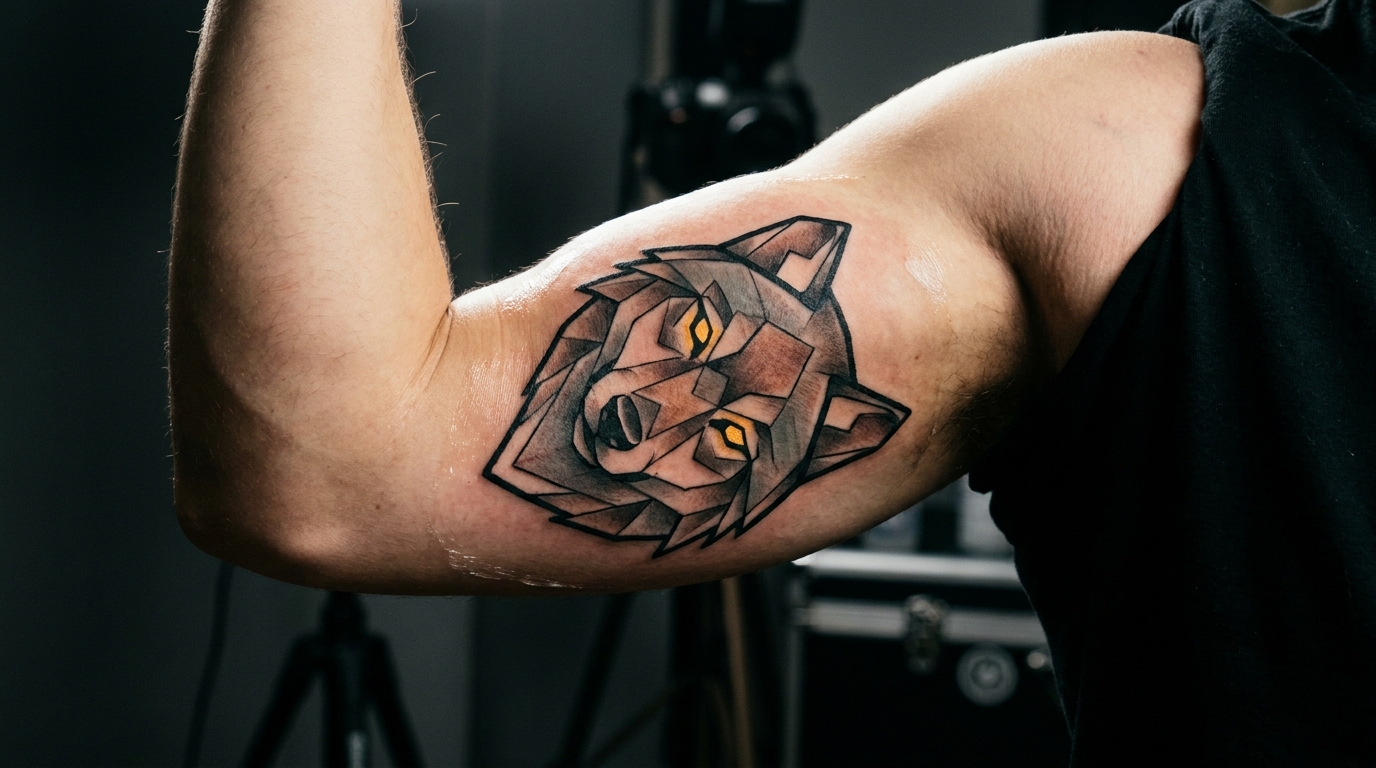
| Bicep | Strength on display | Geometric or stylized heads |
7 Lone Wolf Tattoo Designs Worth Considering
Whether you want something photorealistic or leaning abstract, there’s a version of this design built for you. Here are seven directions to explore.
1. The Angry/Fierce Wolf Portrait
This style leans into hyper-realism — every strand of fur individually shaded, a piercing stare rendered in painstaking detail, and black-and-gray work around the neck to build depth. Wrapping the portrait in leaves ties the ferocity back to the natural world it comes from, turning raw intensity into something that also feels organic and grounded.
2. Forearm Wolf With Floral Accents
A snarling wolf on the forearm reads as pure dominance — bared teeth, intense eyes, and a mix of brown, black, and gray ink for texture. What elevates this version is the addition of soft elements at the base, like leaves or a single rose. The contrast between ferocity and fragility is the whole point: nature is both.
3. Realistic Color Wolf Portrait
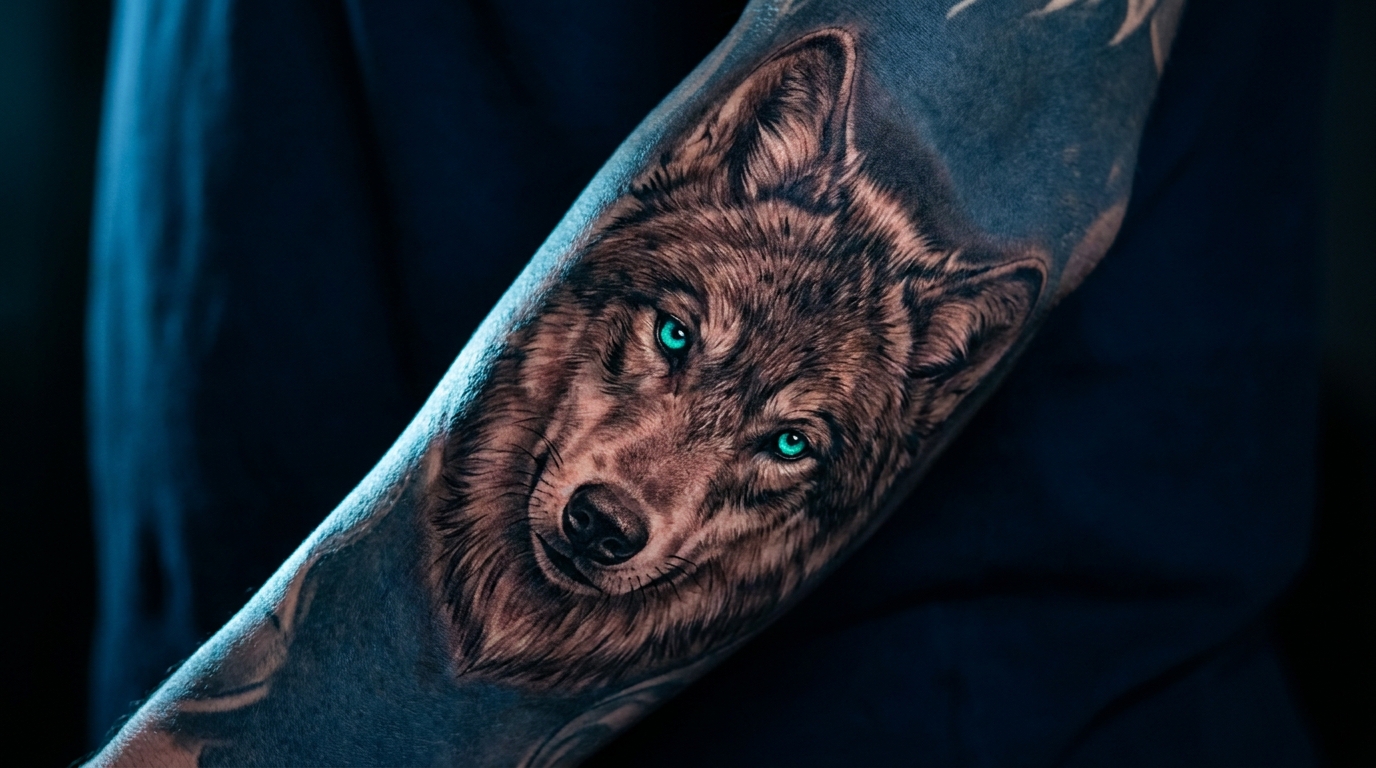
[IMAGE 4: Photorealistic wolf portrait with striking eye color against a dark backdrop]
Set against a dark, moody background, this design uses color strategically — often a single striking eye tone (turquoise, amber, or icy blue) against otherwise brown-and-black shading. Perked ears and deeply shaded furrows give the piece dimension, making it look almost photographic.
4. Geometric/Stylized Wolf Head
For a more modern, abstract take, bold black linework transforms a wolf’s head into something closer to graphic art. Bright yellow eyes typically anchor the design, popping against darker shading elsewhere. It’s fierce without being purely realistic — a good option if you want something that reads as intentional and design-forward rather than illustrative.
5. Traditional Wolf With Florals
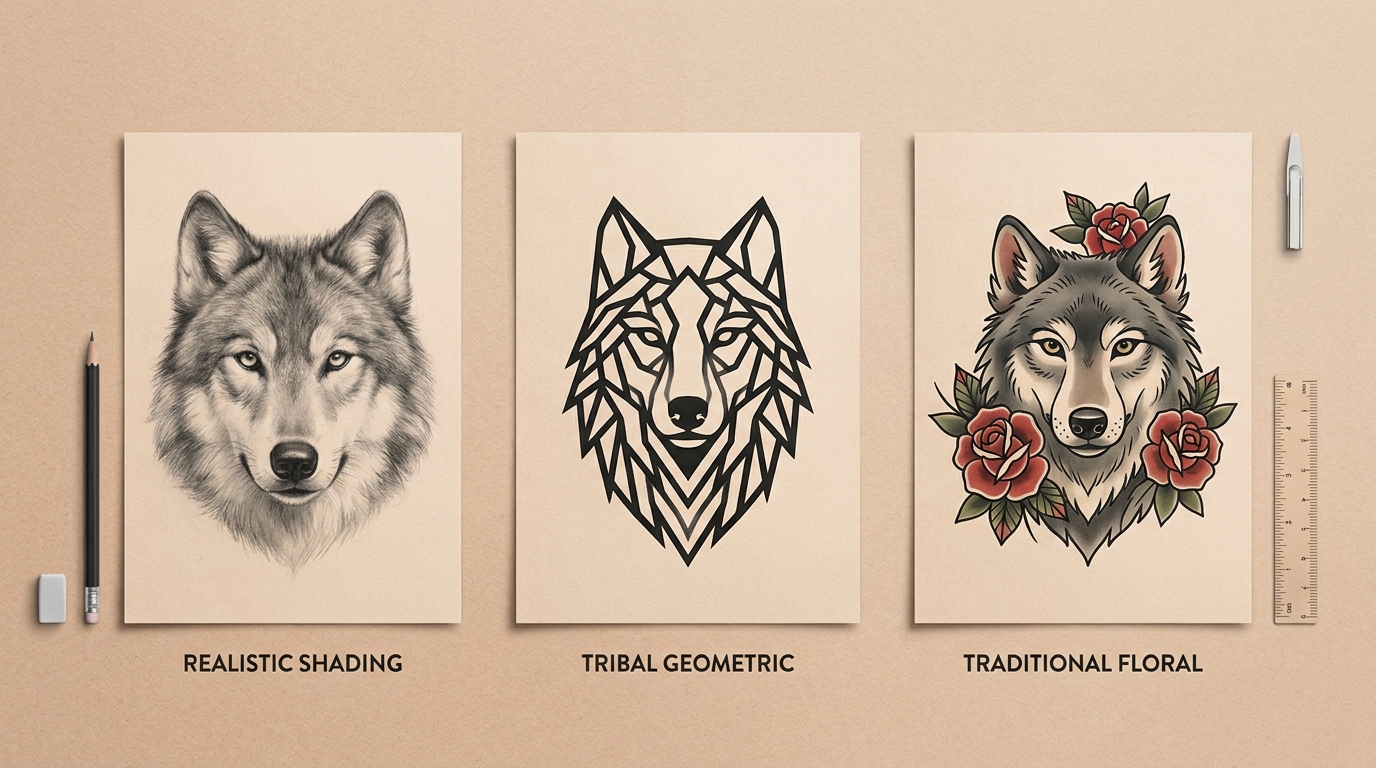
This variation blends a detailed wolf head — shaded in blues, blacks, and grays — with vivid red and yellow florals at the base. The color contrast does a lot of storytelling: strength and wisdom on one side, natural beauty and balance on the other.
6. Tribal-Inspired Wolf Head
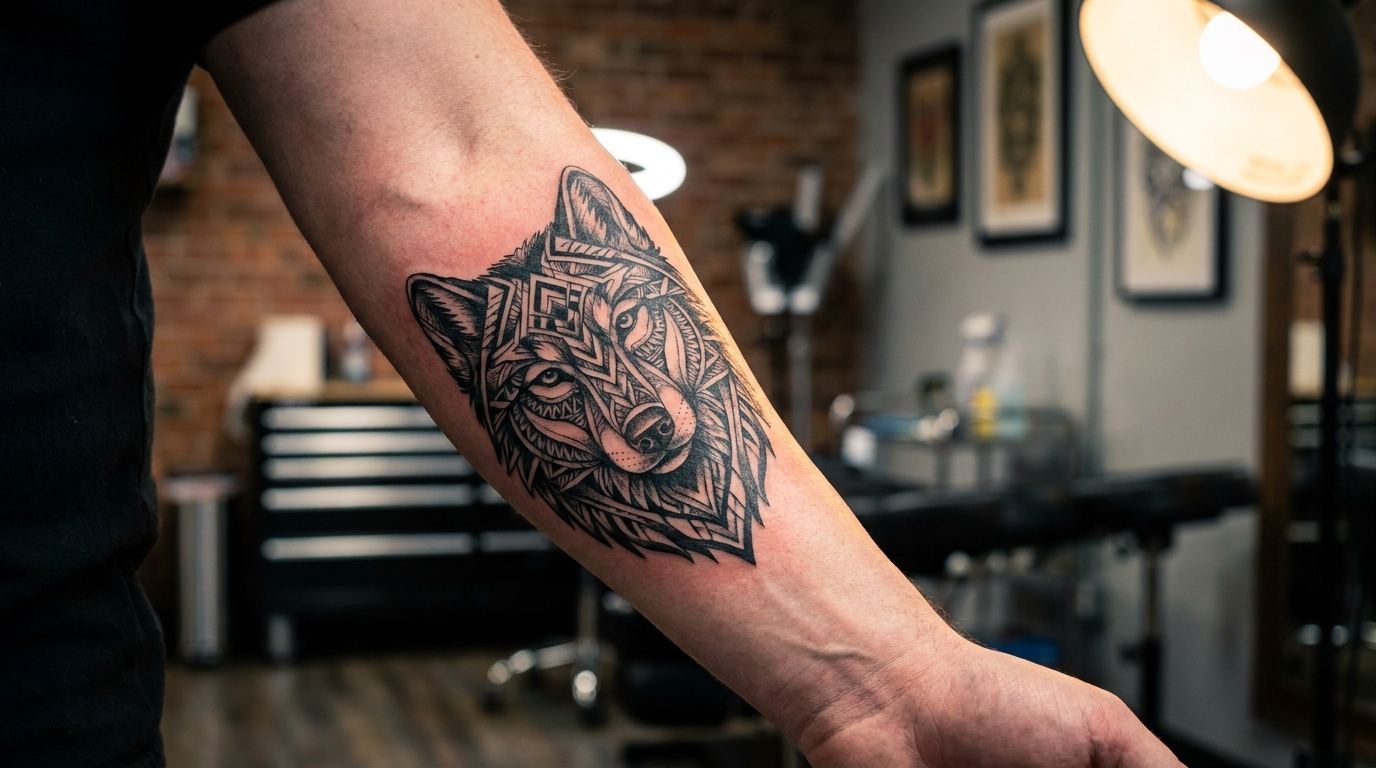
Geometric, tribal-style patterning turned into a wolf’s face is one of the more distinctive routes here. Instead of realistic shading, the design relies on interlocking shapes and clean lines to build the image, giving it a sleek, contemporary edge while still nodding to older tattoo traditions.
7. Wolf Hand Tattoo With Forest Backdrop
A detailed wolf head on the back of the hand, set against a forest silhouette and a sky fading from blue to purple, captures a specific mood: dusk in the wild, somewhere between day and night. It’s an ambitious placement for a detailed piece, but the payoff is a tattoo that feels like a small scene rather than a static image.
How To Choose The Right Style For You
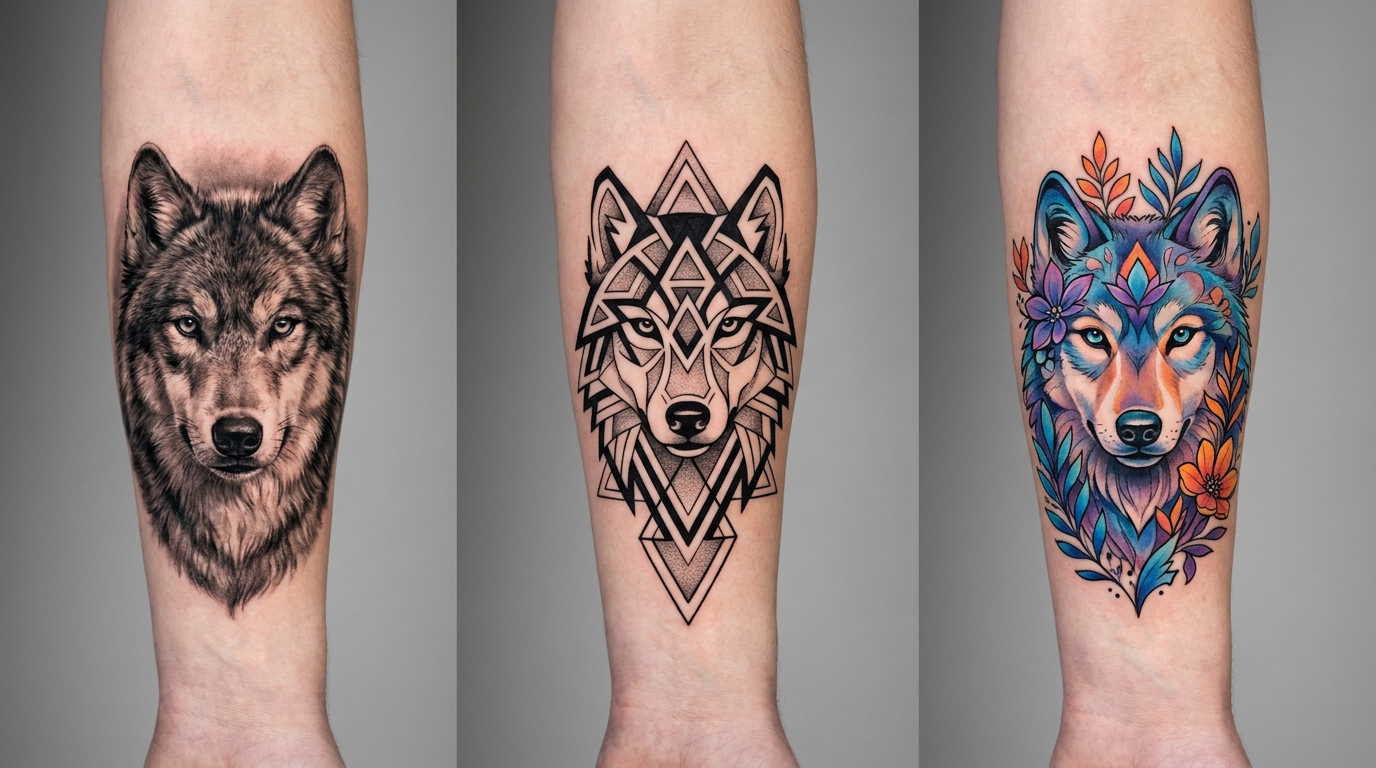
| Style | Best If You Want | Ink Complexity |
|---|---|---|
| Realistic Portrait | Maximum detail, lifelike impact | High |
| Tribal/Geometric | Modern, minimal, bold lines | Medium |
| Nature-Blended (florals/forest) | Softness balanced with strength | High |
| Color Accent (single eye color) | A striking focal point | Medium-High |
There’s no universally “best” version — the right one depends on how much detail you want to commit to, where on your body you’re placing it, and whether you want the piece to feel purely fierce or balanced with softer natural elements.
Key Takeaways Before You Book
- A lone wolf tattoo is fundamentally about independence, resilience, and a bond with nature — not aggression for its own sake.
- Placement changes the meaning: grounding (thigh/calf), resolve (back), visibility (forearm/hand).
- Realistic portraits demand more session time and touch-up care than geometric or tribal designs.
- Adding florals or landscape elements softens the design and adds a personal narrative layer.
- Always consult a licensed, experienced tattoo artist to discuss size, placement, and healing care specific to your skin and design complexity.
Frequently Asked Questions
1. What does a lone wolf tattoo symbolize? It primarily represents independence, self-reliance, and resilience the choice to trust your own path rather than follow the group.
2. Where is the best placement for a lone wolf tattoo? It depends on the message you want: thighs and calves suggest grounded strength, the back suggests quiet resolve, and forearms or hands keep the design visible day to day.
3. Is a lone wolf tattoo only for men? No. Independence and resilience aren’t gendered themes, and many of the most popular lone wolf designs are worn by women, often paired with floral or nature accents.
4. How much does a realistic wolf portrait tattoo typically cost? Costs vary widely by artist, city, and size, but highly detailed realistic portraits generally cost more than geometric or tribal designs due to the shading time involved. Always get a quote directly from your chosen artist.
5. Can a lone wolf tattoo be combined with other symbols? Yes — florals, forest silhouettes, and moon or mountain imagery are common pairings that add personal meaning without diluting the wolf’s core symbolism.