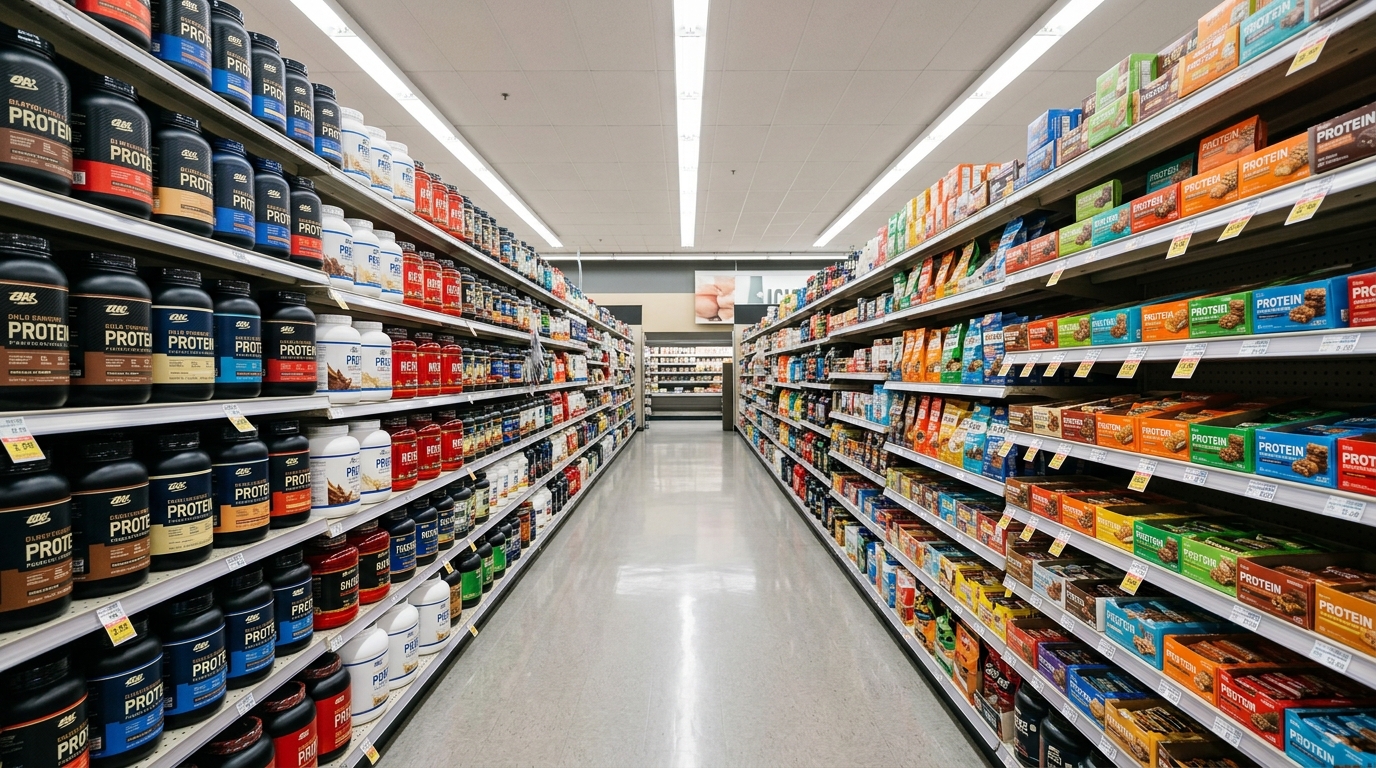
Protein has become the defining food trend of the decade. Shoppers in the United States spent roughly $50 billion on protein snacks last year, and analysts expect that number to double by 2032. Grocery aisles now overflow with protein bars, high-protein pancake mixes, and smoothie powders. One product is climbing faster than the rest, and health professionals say its popularity hides a real problem. America’s Favorite Protein Snack

Why the Protein Boom Keeps Growing
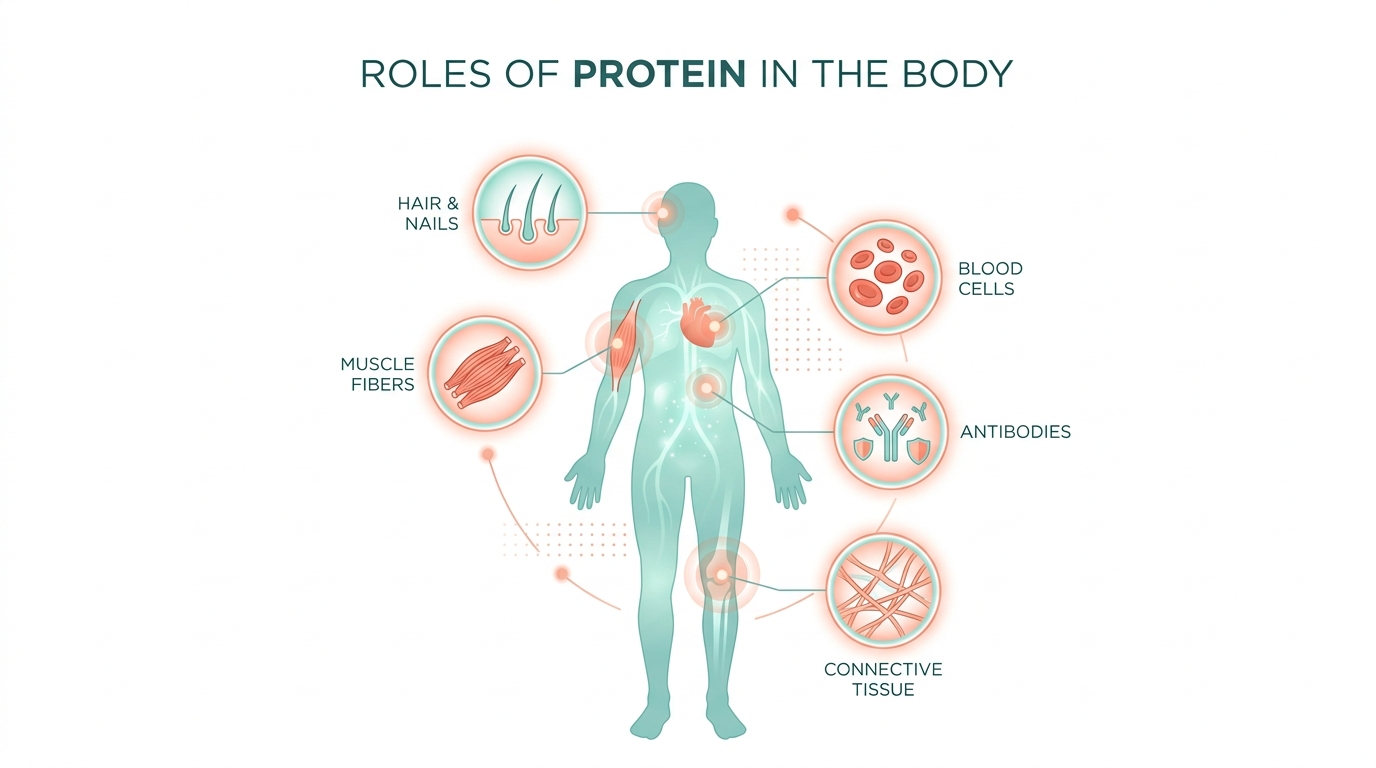
Protein is one of three macronutrients, alongside carbohydrates and fats. The body needs large amounts of all three. Built from amino acids, protein supports immune defense, energy metabolism, and muscle maintenance. It also helps the body make hair, blood, connective tissue, and antibodies.
No wonder it has such a health halo. The trouble starts with how people translate “eat more protein” into action. Beef, poultry, and pork are the best-known sources, so many shoppers simply add more meat to their plates and snack bags.

The Meat Stick Problem IN America’s Favorite Protein Snack
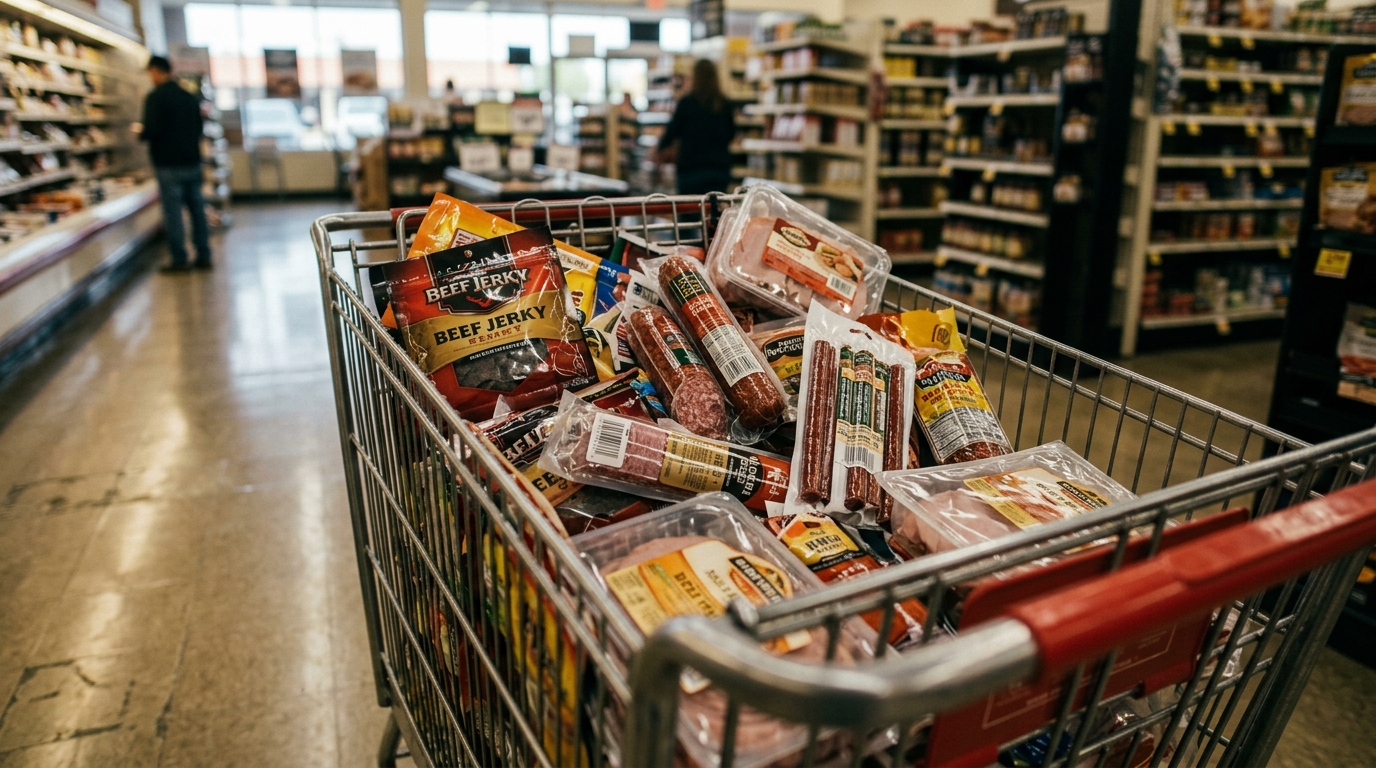
Food journalist Elizabeth Dunn, an award-winning writer whose work has appeared in The New York Times, says the online conversation about high-protein living rarely mentions the downsides of heavy meat consumption. Speaking on HuffPost’s Am I Doing It Wrong? podcast, she pointed to decades of large, reputable studies linking meat-heavy diets to higher risks of cancer, type 2 diabetes, and early death. The link is strongest for red and processed meat.
Dunn, who co-writes the newsletter Consumed, named meat sticks among the fastest-growing snacks on the market. What surprises her most is that so few buyers know processed meat is a Group 1 carcinogen under the World Health Organization’s classification.

What “Group 1” Really Means
Group 1 is the WHO’s top evidence category. It means researchers are confident a substance can cause cancer in humans. The label describes how strong the evidence is rather than how large the risk is, but it still tells you processed meats deserve caution.
You Probably Already Eat Enough Protein
The Recommended Dietary Allowance is 0.8 grams of protein per kilogram of body weight, or about 0.36 grams per pound. According to Dunn, most Americans already clear that bar. Specialized snacks and extra meat are unnecessary for most people.

She recommends getting protein from whole foods instead of ultra-processed products. Eggs, milk, lentils, chickpeas, oats, spinach, broccoli, tofu, quinoa, peanuts, and almonds all contribute meaningful amounts.

A 2024 study in Nature Food adds another angle. Eating red meat twice a week instead of four times was associated with a smaller carbon footprint and greater longevity.
Americans Are Eating More Meat Anyway
Behavior hasn’t followed the warnings. Research from Cargill’s North American Food Business found that annual meat consumption per person in the U.S. rose from 109 kilograms to 117 kilograms between 2018 and 2023.
There is no official limit on safe red meat intake. Still, the Cleveland Clinic notes that eating more than three and a half servings a week is linked to a higher risk of death.
The Carbohydrate Blind Spot
Amy Stephens, a sports dietitian at New York University Athletics, told The Guardian that protein-first eating often pushes out other nutrients. She described the pattern in endurance athletes who avoid carbohydrates and then wonder why their performance suffers. Skimping on carbs, she explained, can cause low energy, sugar cravings, energy crashes, and stalled progress in fitness and muscle strength.
Hidden Ingredients in Protein Products
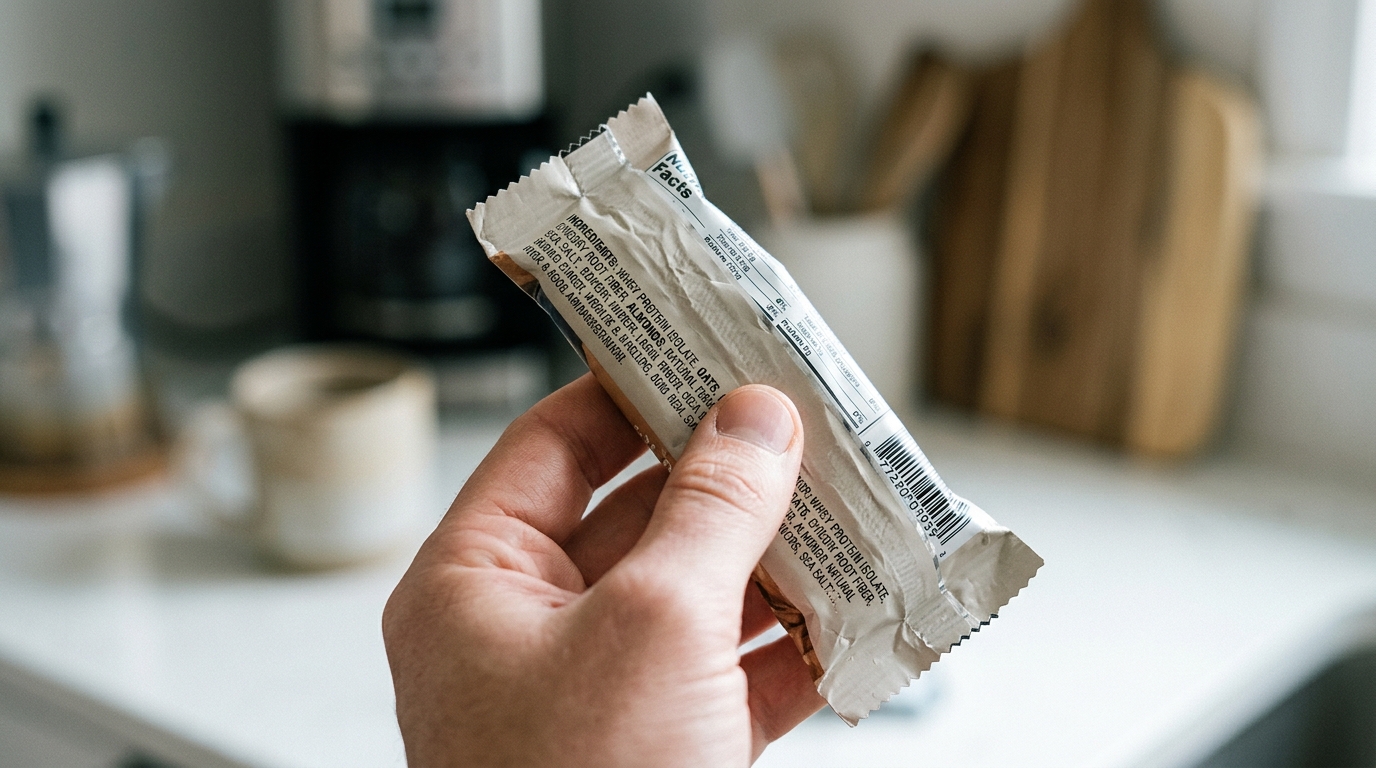
The label on a protein bar can be misleading. Cleveland Clinic dietitian Julia Zumpano cautions that many protein products contain artificial sweeteners and dyes that undercut their healthy image. A high protein number on the front doesn’t guarantee a clean ingredient list on the back. America’s Favorite Protein Snack
A Smarter Way to Snack
The Cleveland Clinic’s advice is to enjoy red meat in moderation and choose leaner cuts of beef. It also recommends skipping processed meats such as bacon, sausages, and meat sticks. Poultry and seafood are better options, and a balanced pattern like the Mediterranean diet, built on fruits, vegetables, and whole grains, is a sound foundation.

The takeaway is not that protein is bad. It’s that the most heavily marketed protein snacks may not be the smartest way to get it. For most people, a varied plate of whole foods covers their needs without the added risk.