The butterfly haircut has become one of the most requested styles in salons over the past two years, and it’s easy to see why. It solves a problem a lot of people run into: wanting a fresh, noticeably different look without committing to a big chop. Instead of taking length off all over, a butterfly cut builds heavily blended, face-framing layers around the crown and front sections while leaving the perimeter long — so you get movement, bounce, and shape without sacrificing inches.
Below, we’re breaking down what actually makes this cut work, who it flatters, how to style it day-to-day, and 20 variations to bring to your next stylist appointment.
What Is a Butterfly Haircut?
A butterfly haircut is a heavily layered long hairstyle where the shortest layers sit near the crown and gradually lengthen toward the ends, creating a silhouette that opens up — like wings — when the hair moves. Unlike a standard long layered cut, the layers are cut shorter and closer together near the top, which is what produces the dramatic volume and “swoop” effect at the crown and cheekbones.
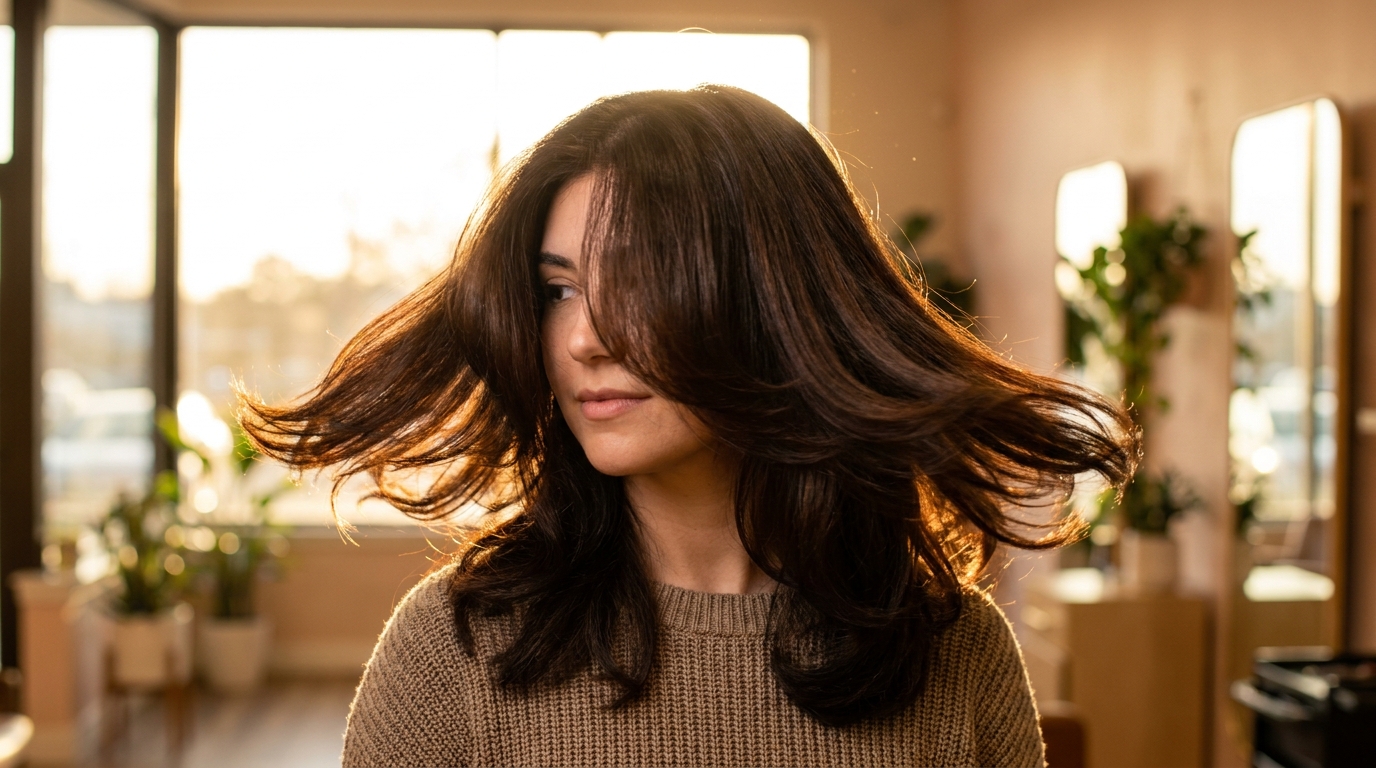
Butterfly Haircut vs. Regular Layered Haircut
| Feature | Butterfly Haircut | Standard Layered Cut |
|---|---|---|
| Layer placement | Concentrated near crown/face | Evenly distributed throughout |
| Volume | Very high at crown | Moderate, more uniform |
| Length retention | High (perimeter stays long) | Varies by layer depth |
| Best for | Fine to medium hair needing lift | Most hair types |
| Styling effort | Moderate (needs round brush or diffuser) | Low to moderate |
| Maintenance | Trim every 8–10 weeks to preserve shape | Trim every 10–12 weeks |
Who Does a Butterfly Cut Flatter?
This cut tends to work especially well for people with fine or medium-density hair who want the appearance of more volume, since the shorter internal layers create lift right at the root and crown. It also flatters longer face shapes (oval, rectangle) by adding width around the cheekbones, and it can soften a square jawline when the shortest layer lands at the cheekbone rather than the jaw.
If you have very thick, coarse hair, ask your stylist to keep the internal layers slightly longer and more blended — heavily stacked short layers on thick hair can sometimes create bulk instead of movement.
Styling and Maintenance Tips
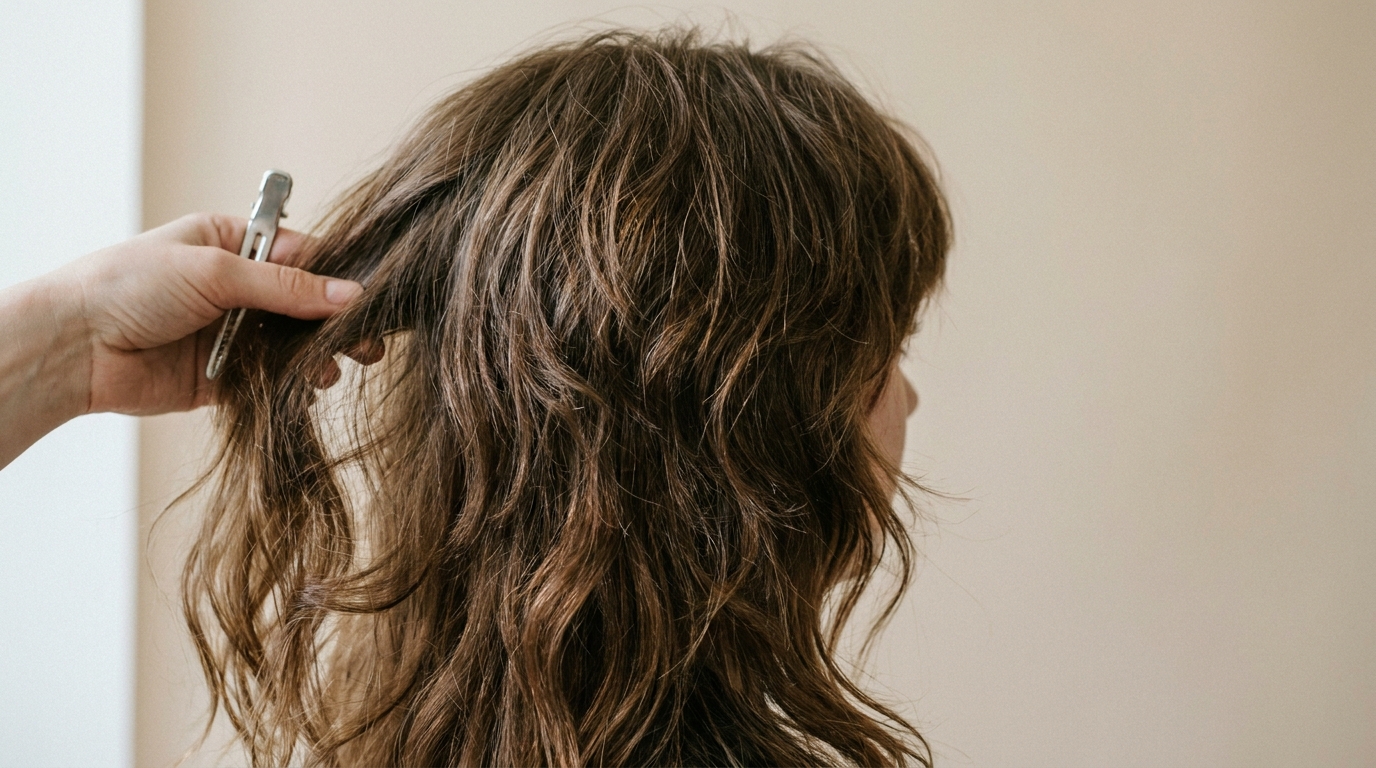
- Blow-dry with a round brush, lifting at the root and rolling ends under, to activate the layered shape.
- Use a lightweight mousse or volumizing spray at the roots before drying — heavy creams can weigh down the shorter crown layers.
- Diffuse on low heat if you have natural texture; this preserves curl pattern while still separating the layers.
- Get regular dusting trims (every 8–10 weeks) to keep the shortest layers from growing out and losing their shape.
- Use a heat protectant on the crown layers specifically, since they get the most direct heat exposure during styling.
20 Butterfly Haircut Ideas to Bring to Your Stylist

- Classic long butterfly layers — subtle, everyday wearable shape with soft cheekbone-grazing pieces.
- Butterfly cut with curtain bangs — layers blend directly into face-framing fringe for a rounder, softer front.
- Curly butterfly haircut — shorter internal layers coil up and add visible volume without shortening overall length.
- Butterfly layers with balayage — color placement highlights the layer movement and adds dimension.
- Wavy beach-texture butterfly cut — loose waves emphasize the “wing” shape when hair is worn down.
- Butterfly cut on straight, sleek hair — a cleaner, more polished take with defined, blunt-ended layers.
- Short butterfly layers (collarbone length) — a more compact version for those not ready for a full long cut.
- Butterfly cut with money-piece highlights — bright framing pieces around the face draw attention to the layers.
- Butterfly layers with a middle part — symmetrical framing that suits oval and heart face shapes.
- Butterfly cut with a side part — asymmetrical volume that flatters rounder face shapes.
- Thick-hair butterfly cut — longer, more blended internal layers to avoid bulk.
- Fine-hair butterfly cut — shorter, more stacked layers to maximize root lift.
- Butterfly layers with root volume/blowout — styled specifically for maximum crown lift.
- Butterfly cut with subtle babylights — soft, low-maintenance color that highlights texture.
- Butterfly haircut for round faces — layers start lower, at the cheekbone, to elongate the face.
- Butterfly haircut for square faces — softer, wispier ends around the jaw to reduce angularity.
- Low-maintenance butterfly cut — fewer, longer layers for those who want the look with less styling time.
- Butterfly cut with air-dried texture — showcasing how the layers look without heat styling.
- Voluminous butterfly cut with teasing — styled with backcombing at the crown for maximum drama.
- Butterfly cut transition from a bob — a growing-out style that reshapes a shorter cut into butterfly layers.


How to Ask Your Stylist for a Butterfly Cut
Bring a reference photo, but also describe the effect you want: heavy volume at the crown, face-framing pieces that hit around the cheekbone or chin, and length retention at the back. Mention your hair texture and how much daily styling time you’re realistically willing to put in — this helps your stylist decide how short and how stacked to cut the internal layers.

Common Mistakes to Avoid
- Going too short on the top layers if you have thick hair — this can create unwanted bulk instead of soft movement.
- Skipping root lift products — without them, the layered shape can look flat instead of voluminous.
- Waiting too long between trims — the shortest layers grow out fastest and lose their defining shape first.
- Not communicating face shape goals — the same butterfly cut can look completely different depending on where the shortest layer lands.

Comparison: Butterfly Cut for Different Hair Textures

| Hair Texture | Recommended Layer Length | Styling Tool |
|---|---|---|
| Straight, fine | Shorter, more stacked | Round brush blow-dry |
| Straight, thick | Longer, more blended | Round brush or flat iron |
| Wavy | Medium, textured ends | Diffuser or air-dry |
| Curly/coily | Longer internal layers | Diffuser, curl cream |
Key Takeaways
- The butterfly haircut adds volume and shape through concentrated crown-area layering, not overall length reduction.
- It suits fine-to-medium hair especially well, but can work on thick or curly hair with slight technique adjustments.
- Regular trims (every 8–10 weeks) are essential to maintaining the layered silhouette.
- Face shape should guide where the shortest layer is placed for the most flattering result.

Final Thoughts
The butterfly haircut remains popular because it delivers a genuinely dramatic transformation — more volume, more movement, more dimension — without asking anyone to sacrifice their length. Whether you go bold with heavily stacked layers or keep it subtle with longer, softer pieces, this cut adapts to nearly every hair type and face shape when it’s tailored correctly.
FAQ
1. What’s the difference between a butterfly haircut and regular layers? A butterfly haircut concentrates its shortest layers near the crown and face, creating dramatic volume and a wing-like movement, while regular layered cuts distribute layers more evenly throughout the length.
2. Will a butterfly haircut work on thick hair? Yes, but the internal layers should be cut longer and more blended rather than heavily stacked, to avoid adding bulk.
3. How often do I need to trim a butterfly cut? Every 8–10 weeks is recommended, since the shortest crown layers grow out fastest and can lose their defining shape.
4. Can I get a butterfly haircut with curly hair? Yes — curly hair actually shows off the layered volume well, though internal layers are typically kept slightly longer to account for shrinkage.
5. Does a butterfly cut suit round faces? It can, as long as the shortest layer is placed at the cheekbone rather than the chin, which helps elongate rather than widen the face.