Most of us learned the basics of hygiene as kids — wash your hands, brush your teeth, take a shower. But somewhere between childhood lessons and adult autopilot, a lot of smaller, equally important habits slip through the cracks. Nobody sits you down as an adult to remind you to clean your water bottle or swap out your dish sponge.
The good news is that upgrading your hygiene routine doesn’t require an overhaul. It’s usually a handful of small, consistent habits that add up to a noticeably healthier — and fresher — daily life. Below is a rundown of everyday hygiene habits worth adopting, organized by where they matter most: your body, your bathroom routine, your kitchen, and the objects you touch constantly without a second thought.
Hand and Skin Habits People Often Skip
Hand hygiene got a lot of attention in recent years, but plenty of related habits still go overlooked.
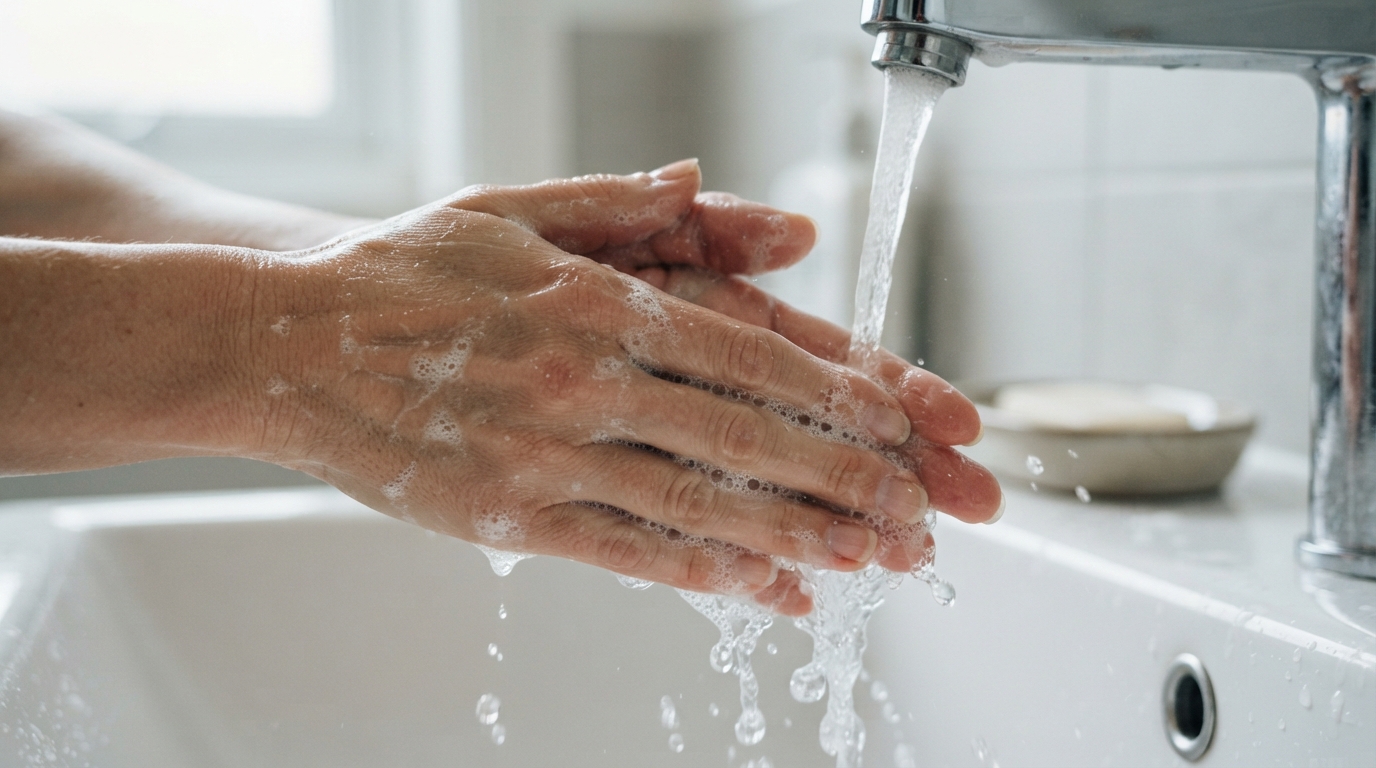
- Wash for the full 20 seconds. A quick rinse under water doesn’t cut it — proper handwashing needs soap and enough time to actually break down grime and bacteria.
- Wash your hands after handling your phone, not just before eating. Phones travel everywhere with us, including bathrooms, gyms, and public transit.
- Moisturize after washing. Frequent handwashing can dry out and crack skin, which actually makes it easier for germs to get in.
- Clean your belly button during showers. It’s an easy spot to forget, but it can collect lint, sweat, and bacteria over time.
- Wash behind and inside your ears. Ears are a common blind spot in the shower, even though they accumulate oil and dead skin like anywhere else.
- Exfoliate elbows and knees occasionally. These areas tend to get rough and dry because they’re easy to rush past.
- Wash your feet directly, not just let water run over them. Standing under the shower stream isn’t the same as actually scrubbing between your toes.
- Trim and clean under your fingernails and toenails regularly. Dirt and bacteria build up under nails more than most people realize.
- Reapply deodorant if you sweat heavily during the day, rather than relying on a single morning application to last 16 hours.
- Change out of sweaty workout clothes promptly instead of lounging in them, since damp fabric is a breeding ground for bacteria and odor.
Oral Hygiene Beyond “Brush Twice a Day”
Dental hygiene is one of the most talked-about areas of self-care, yet a few key habits are still commonly missed.
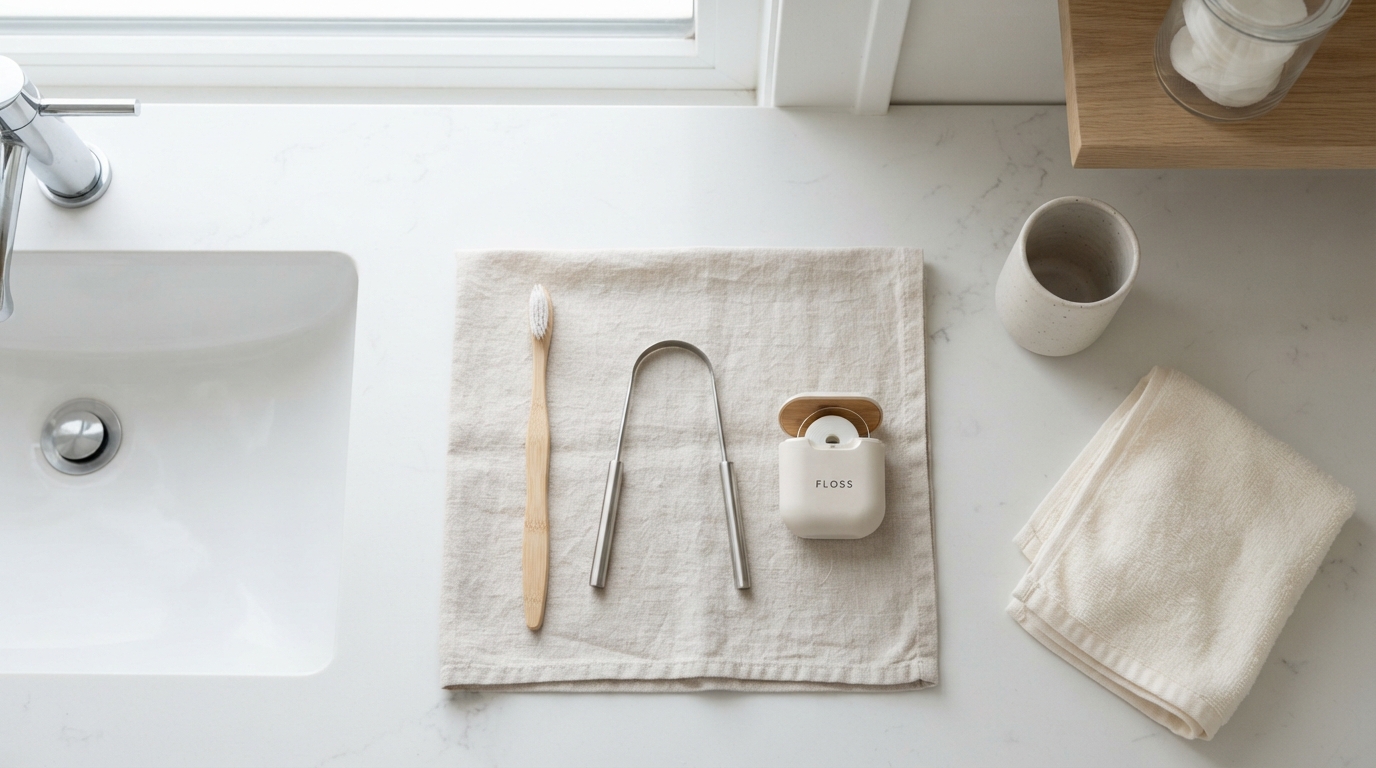
- Floss before you brush, not after. Flossing first loosens debris between teeth so brushing and rinsing can clear it away more effectively.
- Use a tongue scraper. A toothbrush alone doesn’t remove the bacterial film that builds up on the tongue and contributes to bad breath.
- Replace your toothbrush every three months, or sooner if the bristles start to fray.
- Rinse your toothbrush holder occasionally. It’s a small, damp object that rarely gets cleaned but sits right next to your sink.
- Keep mouthwash or gum on hand for busy days when a full brushing session isn’t possible — it’s not a replacement, but it helps in a pinch.
- Clean your retainer or aligners daily, not just when they start to smell.
The Objects You Touch Constantly But Rarely Clean
Some of the dirtiest items in daily life aren’t your body at all — they’re the things you carry and use nonstop.
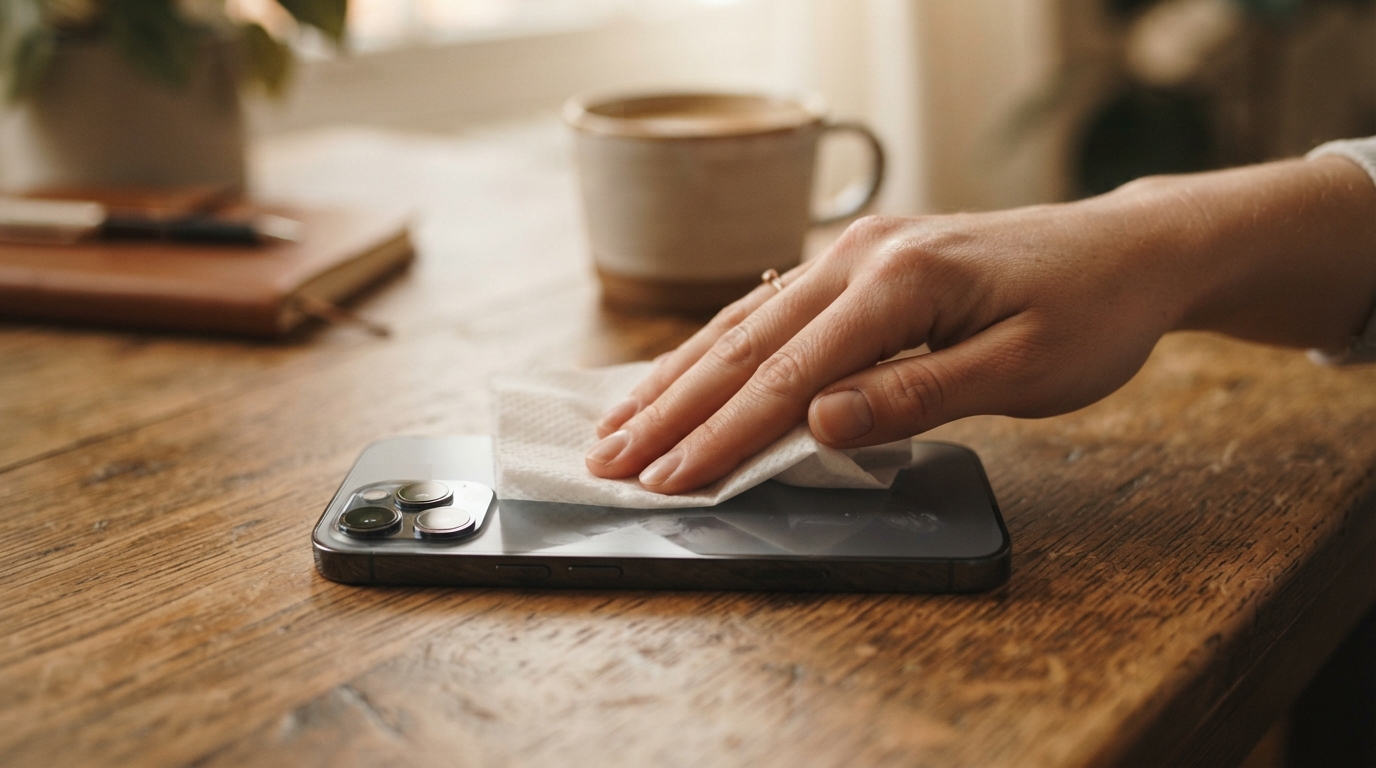
- Disinfect your phone screen regularly. Studies have repeatedly shown phones can carry more bacteria than many surfaces in a bathroom.
- Wash your reusable water bottle daily, especially the lid and straw, where moisture sits and bacteria can multiply.
- Clean your glasses with proper lens solution, not just your shirt, which can scratch lenses and spread oil around instead of removing it.
- Wipe down your gym bag and yoga mat after workouts. Sweat-soaked gear left folded up is a magnet for odor-causing bacteria.
- Wash your belt. It’s touched constantly while dressing and undressing but almost never gets cleaned.
- Clean your wallet or purse interior occasionally. Cash and receipts pass through a lot of hands before they reach yours.
- Wipe down your car’s steering wheel and door handles periodically. They collect the same grime as any frequently touched surface.
- Sanitize your keyboard and mouse. Crumbs, oils, and dust accumulate in the cracks faster than most people expect.
Kitchen Hygiene Habits That Actually Matter
The kitchen is where hygiene lapses can have the biggest real-world consequences, since they directly affect food safety.
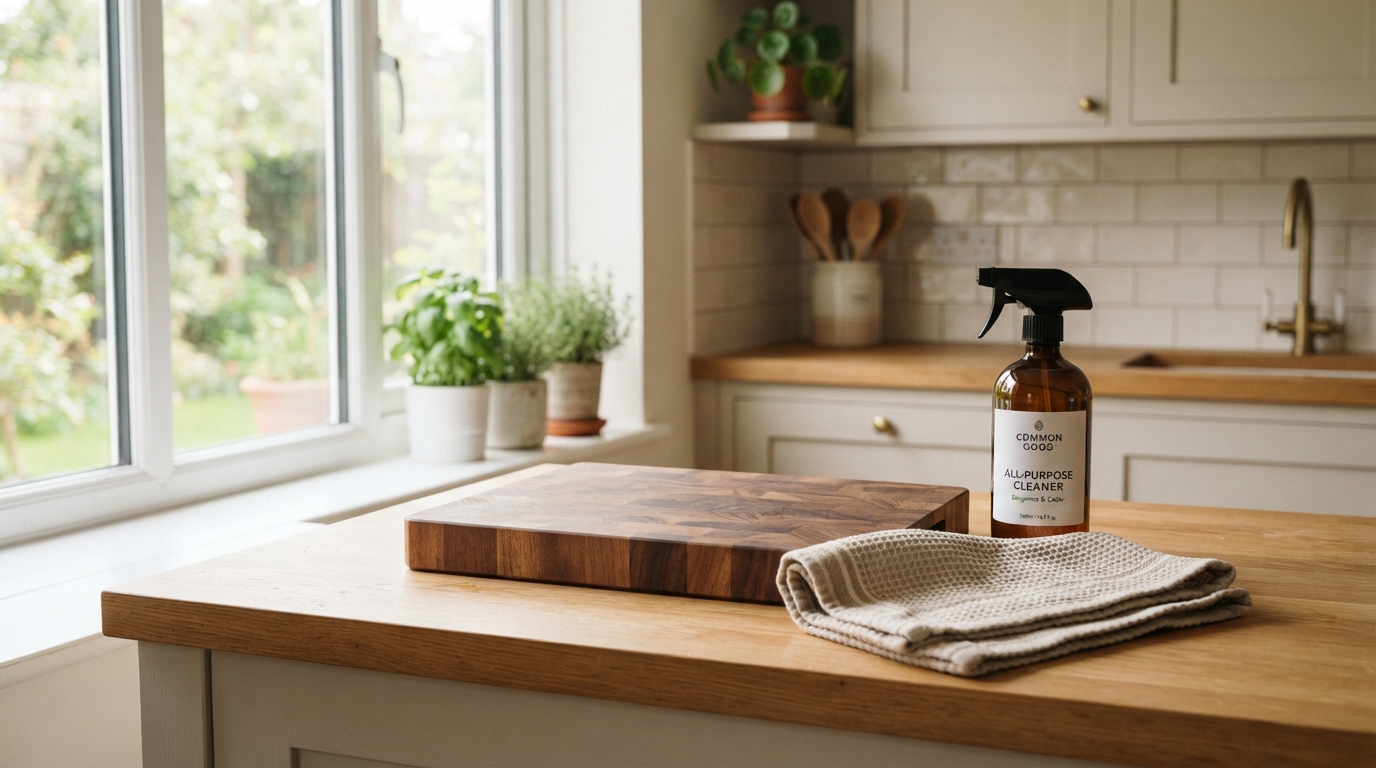
- Swap out dishcloths and sponges frequently. Because they stay damp and are used on food residue, they can harbor more bacteria than many other household items.
- Wash your hands immediately after touching raw meat, before touching anything else in the kitchen.
- Use separate cutting boards for raw meat and produce to avoid cross-contamination.
- Clean your fridge shelves weekly, and store raw meat on the bottom shelf so drips can’t contaminate other food.
- Wash reusable grocery bags regularly. They touch countertops, car trunks, and floors, then go straight into your kitchen.
- Replace your kitchen towel often, since it’s usually damp and handled dozens of times a day.
- Clean the inside of your microwave weekly, not just when spills are visible.
- Descale your kettle or coffee maker periodically to prevent mineral and bacterial buildup in standing water.
Bathroom Habits Worth Building
The bathroom is hygiene’s home turf, but a few habits still get overlooked even here.
- Put the toilet lid down before flushing. Flushing with the lid up can send fine droplets into the air, landing on nearby toothbrushes and towels.
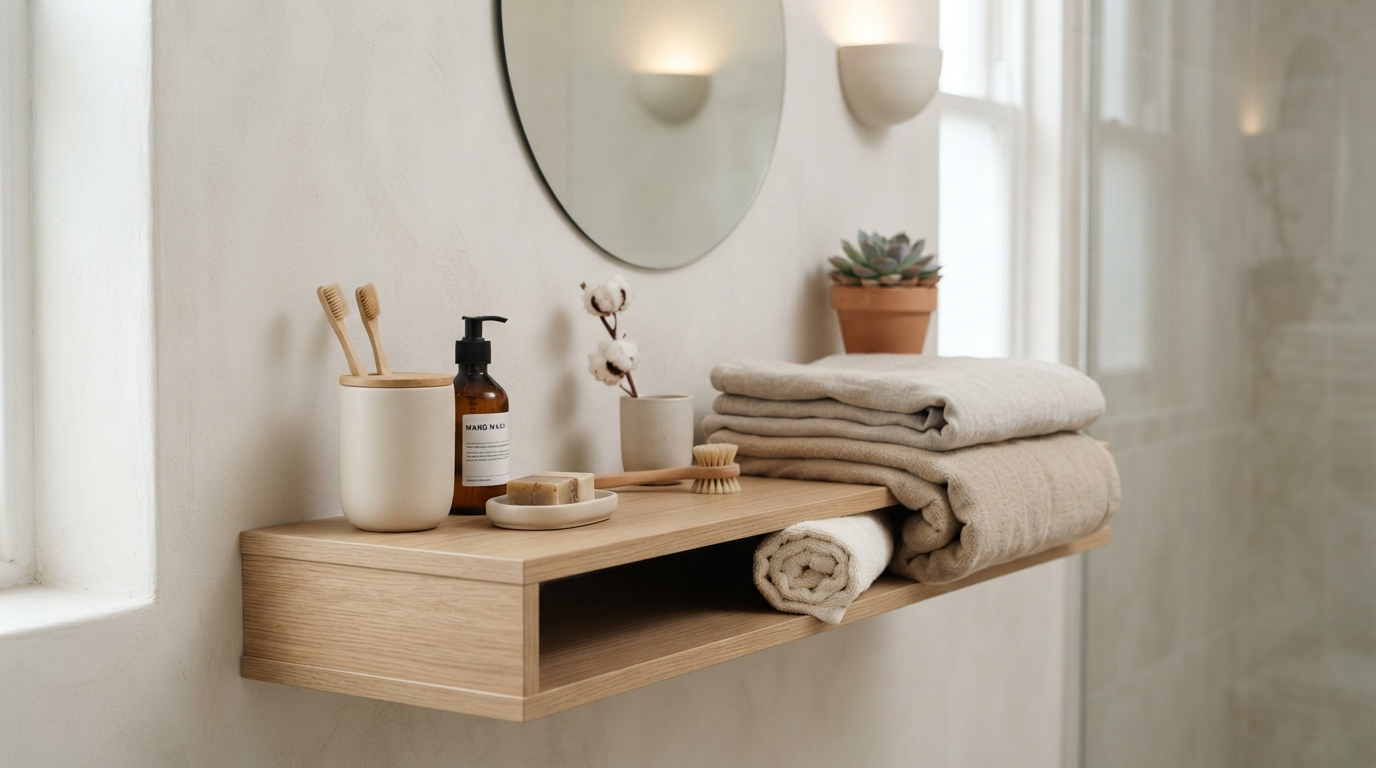
- Replace bath towels every three to four days rather than letting them hang for weeks between washes.
- Clean your showerhead periodically, since mineral deposits and residue can build up inside it over time.
- Wash bathmats regularly. They absorb moisture constantly and rarely get a second thought.
- Store your toothbrush away from the toilet, ideally in a covered holder, to limit exposure to airborne particles.
- Clean makeup brushes and sponges weekly. Product buildup mixed with skin oils can lead to breakouts and irritation.
Habits for Pets, Laundry, and Shared Spaces
Hygiene doesn’t stop at your own body — the spaces and items you share matter too.
- Wash pet leashes and collars occasionally. They pick up dirt and bacteria from walks just like shoes do.
- Clean pet bowls daily, not just when they look visibly dirty.
- Wash bed sheets weekly. Skin cells, sweat, and oils accumulate faster than most people assume.
- Vacuum or wash pillows periodically, since they absorb sweat and oils just like sheets do.
- Clean remote controls and light switches, which are touched constantly by everyone in a household but almost never wiped down.
- Air out shoes between wears to reduce moisture buildup and odor.
- Wash reusable cleaning gloves after use, before removing them, so bacteria isn’t transferred to your hands.

Why These Small Habits Matter More Than You Think
None of these habits are complicated or time-consuming on their own. What makes them powerful is consistency — a clean sponge here, a washed water bottle there, a properly cleaned phone screen every few days. Together, they lower your exposure to the bacteria and buildup that contribute to illness, skin issues, and unwanted odor.
Handwashing alone is widely regarded by health experts as one of the simplest and most effective ways to prevent the spread of infections, precisely because it’s cheap, fast, and highly effective when done properly. The same logic applies to most of the habits above: they cost almost nothing in time or money, yet the payoff in reduced bacteria exposure and improved comfort is significant.

Building These Habits Without Overwhelming Yourself
Trying to adopt all 45 habits overnight is a recipe for burnout. A more realistic approach:
- Pick three habits to start with — ideally ones tied to daily routines you already have, like washing your hands or brushing your teeth.
- Attach new habits to existing ones. Clean your water bottle right after you clean your dishes; wipe your phone down while your coffee brews.
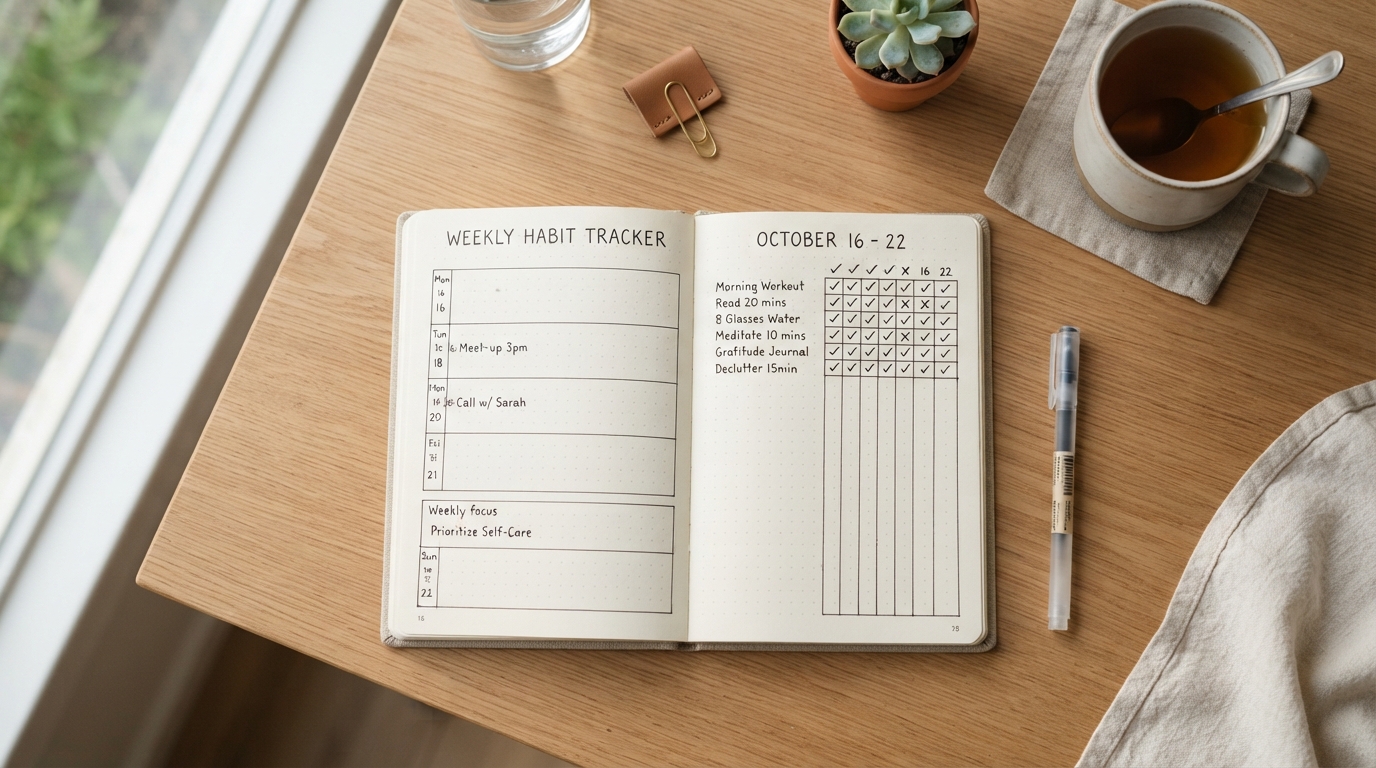
- Set a weekly reminder for the habits that only need to happen once a week, like washing bath towels or cleaning the fridge.
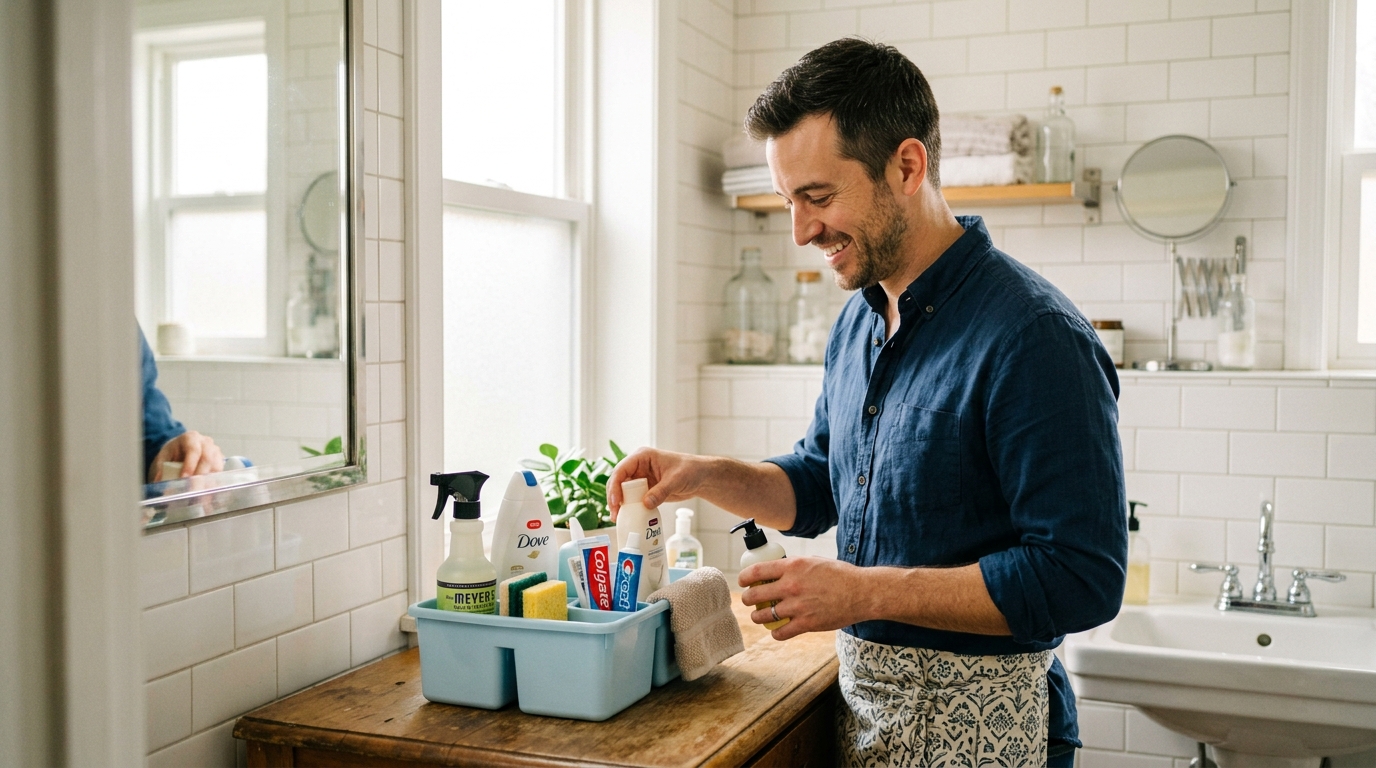
- Keep supplies visible and accessible. A tongue scraper left in a drawer gets forgotten; one sitting next to your toothbrush gets used.
Final Thoughts
Good hygiene isn’t about chasing perfection — it’s about closing the small gaps most people don’t think about until something goes wrong. Whether it’s finally washing that belt, replacing a sponge that’s been living in the sink for two weeks too long, or simply remembering to clean behind your ears, these habits are low-effort, high-reward additions to everyday life. Start with a few, build the routine, and the rest tend to follow naturally.