Every Indian man has lived through this moment: you walk into the salon with a saved photo, point at it, and forty minutes later the mirror shows something that vaguely resembles the picture — but not quite. It’s tempting to blame the barber. Usually, though, the real culprit is the reference photo itself.
A haircut isn’t a flat image you can copy-paste onto any head. It’s a combination of variables — how your hair grows, how dense it is, the shape of your face, whether you keep a beard, and something people rarely factor in: climate.
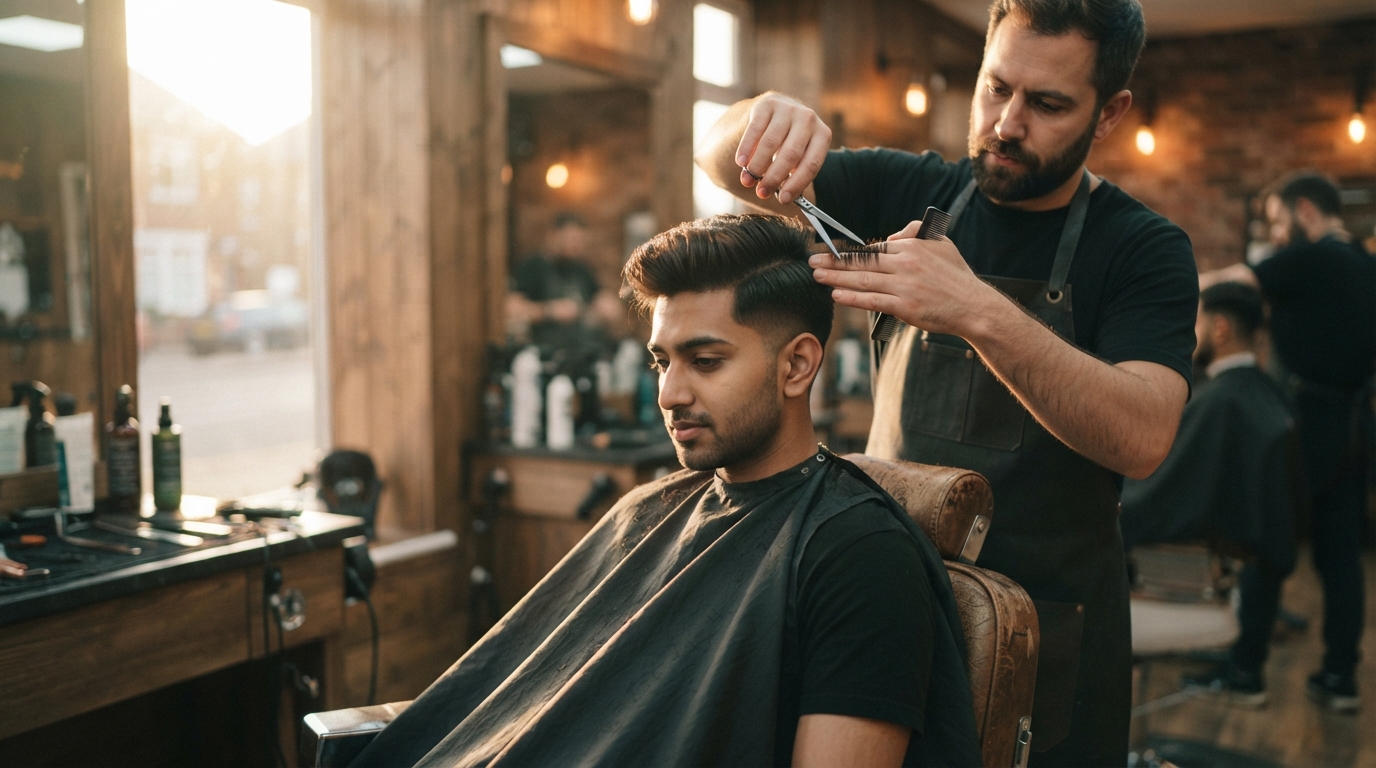
Most global hairstyle content is written with cooler, drier climates in mind, where a hairstyle set in the morning can survive until evening without much fuss. India doesn’t offer that luxury. Between heat, humidity, dust, sweat, and helmet hair from daily commutes, a lot of “trending” cuts fall apart within a couple of hours of stepping outside.
So this list isn’t just about what looks good in a photo. It’s about what survives an actual Indian day — and still looks deliberate at 6 p.m., not just at 9 a.m.
The 17 Haircuts Worth Considering
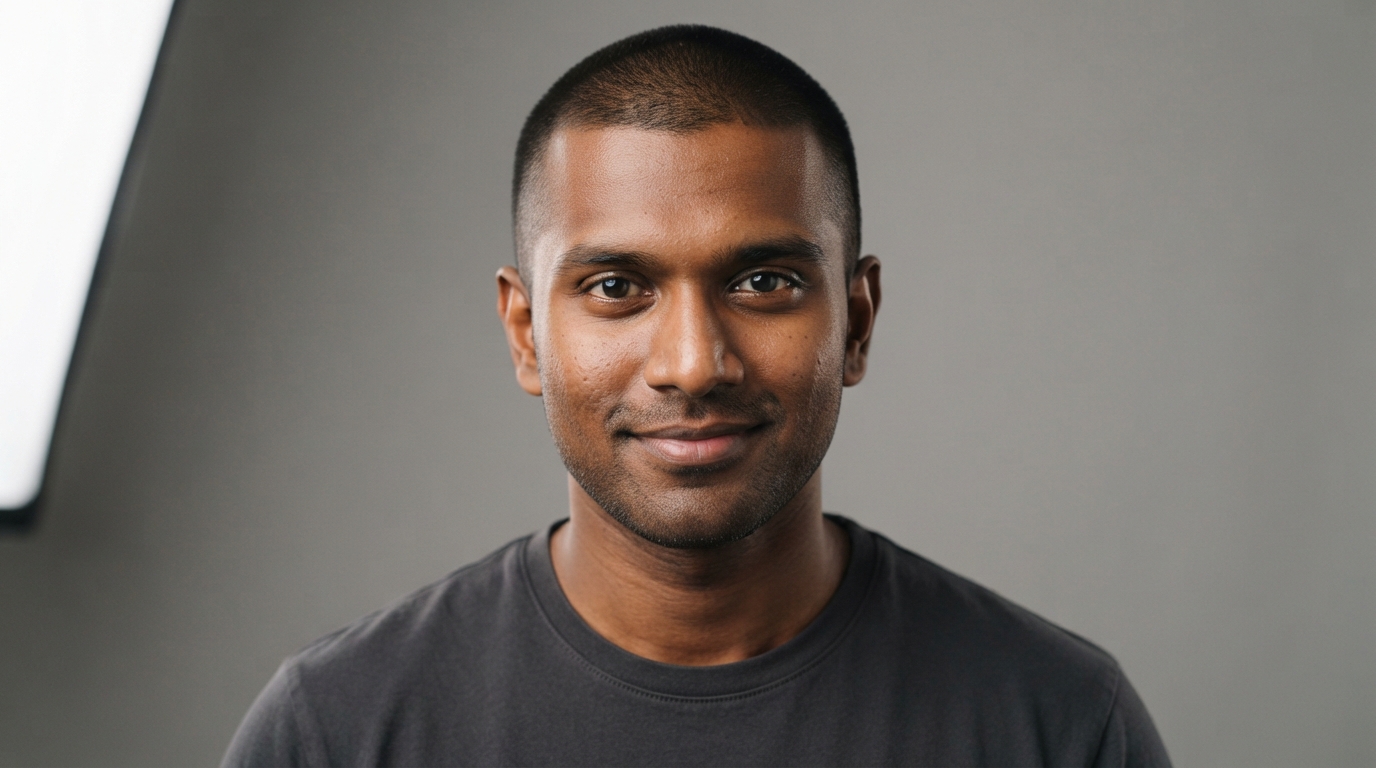
1. Buzz Cut
Nothing beats the buzz cut for sheer practicality. There’s no styling routine, no product, and no risk of it wilting in the heat — which makes it a favorite for men who ride two-wheelers daily or spend long hours outdoors. It also happens to be one of the most forgiving options for thinning hair, since uniform shortness minimizes the contrast between thicker and thinner patches.
Best for: Thick straight hair, thinning hair, wavy hair that turns frizzy at longer lengths.
Ask your barber for: A #1–#3 guard overall, optionally dropping to a #0 or skin fade on the sides for more contrast.
2. French Crop
The French crop suits thick Indian hair particularly well because the short, textured top keeps volume in check without flattening it completely. It also does double duty as a hairline distraction — the soft, slightly uneven fringe can draw attention away from a receding hairline or a larger forehead.
Best for: Thick straight-to-wavy hair; not ideal for fine hair, which can look thin if cropped too short.
Ask your barber for: A #2–#4 fade or scissor taper on the sides, 1–2 inches on top with heavy texturizing and a slightly uneven fringe.
3. Side Part
A side part strikes the balance between “put-together” and “not trying too hard,” which is exactly why it works so well in Indian office culture. The trick is choosing a lightly textured version over the old wet-look, heavily gelled version — texture holds up far better against humidity than a slicked, shiny finish.
Best for: Straight-to-wavy hair; oval, square, and diamond face shapes. Skip it if your hair is very curly or very fine.
Ask your barber for: A #2–#4 taper on the sides, 2–4 inches on top, with enough weight left to form a natural part.
4. Taper Fade
A taper fade quietly removes bulk from the sides without the drama of a full skin fade. Because Indian hair tends to run thick, trimming the sides down instantly makes the whole head feel lighter in hot weather — and because the fade is soft, it grows out gracefully, meaning fewer trips back to the barber.
Best for: Thick straight-to-wavy hair; round and oval faces.
Ask your barber for: A low-to-mid taper starting near the sideburns, blended with a #2–#4 guard.
5. Low Fade
The low fade is the quiet professional’s cut — subtle enough for a boardroom, sharp enough not to look lazy. Because the fade sits low near the hairline, it keeps sides tidy through summer sweat while leaving the top open to whatever texture or length you prefer.
Best for: Thick-to-wavy hair; oval, square, and diamond faces.
Ask your barber for: A fade starting just above the ear, dropping to skin at the bottom, blended into the top with scissors.
6. Mid Fade
One notch bolder than the low fade, the mid fade introduces visible contrast without tipping into “statement haircut” territory. It’s a popular pick among younger men pairing it with a quiff or messy top, since the cleaner sides let the volume on top do the talking.
Best for: Thick-to-wavy hair; oval, round, and diamond faces.
Ask your barber for: A fade starting between the temple and ear, dropped to skin and blended upward with clipper-over-comb work.

7. Quiff
Thick hair is basically a built-in advantage for a quiff — the natural density does most of the heavy lifting when it comes to volume. The trick in Indian weather is restraint: a light matte clay worked into the roots (not the ends) keeps the lift without turning greasy by afternoon.
Best for: Thick-to-wavy hair; round and fuller face shapes.
Ask your barber for: 3–5 inches on top, low-to-mid fade or #1–#3 tapered sides.
Styling tip: Blow-dry upward first, then apply matte clay at the roots.
8. Pompadour
A pompadour is the dressed-up cousin of the quiff — more height, more polish, more occasion-appropriate than everyday-casual. It needs natural volume to hold its shape, which is why it tends to look better on thicker hair types than on fine or sparse hair.
Best for: Thick straight hair; oval and round faces. Skip if hair is fine or sparse.
Ask your barber for: 4–6 inches on top, low-to-mid fade or tight scissor taper on the sides.
Styling tip: Round-brush the front up and back, then set with a light matte pomade at the base.

9. Slick Back
A slick back reads mature and refined — but only if it’s done with texture rather than the shiny, fully-wet finish. Medium-length thick hair holds this shape naturally, and it pairs especially well with a beard for a more grounded, masculine look.
Best for: Medium-to-thick straight-to-wavy hair; oval and diamond faces.
Ask your barber for: 3–5 inches on top, low-to-mid taper on the sides.
Styling tip: Apply product to damp hair, blow-dry backward, and finish with matte cream rather than gel.
10. Caesar Cut
For men noticing early thinning or a receding hairline, the Caesar cut is a genuinely smart move. The short forward fringe softens the forehead without screaming “cover-up,” and the overall shortness means it shrugs off heat and humidity with almost zero effort.
Best for: Straight-to-wavy hair, medium-to-thick density; receding hairlines. Not ideal for very curly hair.
Ask your barber for: 1–2 inches on top with a straight-across fringe, #1–#3 fade on the sides.
11. Textured Quiff
This is the quiff’s more relaxed sibling — same lift, less structure, more natural movement. Because it’s designed to loosen slightly through the day, Indian humidity actually works in its favor rather than against it.
Best for: Thick-to-wavy hair with natural volume; oval and round faces. Not for fine hair.
Ask your barber for: 3–5 inches on top with heavy point-cutting, low-to-mid fade or #1–#3 taper on the sides.

12. Messy Medium Hair
Loosely styled medium-length hair looks intentional even when it’s had a long day — which is exactly what makes it work in Indian weather. It leans modern and slightly fashion-forward without asking for daily upkeep.
Best for: Thick-to-wavy hair; oval and longer face shapes. Skip if hair is very fine.
Ask your barber for: 3–5 inches on top with natural layering and light point-cutting, low-to-mid taper or #2–#4 fade on the sides.
13. Ivy League Haircut
Think of this as the side part’s slightly longer, more flexible cousin — sharp enough for the office, relaxed enough for weekends. The shorter sides tame thick hair in summer, while the longer top keeps things from looking too corporate.
Best for: Straight-to-wavy hair; oval, square, and heart faces. Not ideal for curly hair.
Ask your barber for: 1.5–3 inches on top with a flexible side part, low-to-mid taper or #2–#4 on the sides.

14. Crew Cut
If there’s one haircut built for Indian life specifically — heat, sweat, helmets, long days — it’s the crew cut. It’s short enough to need almost no maintenance yet structured enough to still look sharp in a formal setting.
Best for: Thick-to-wavy hair; oval and square faces. Avoid cutting too short if hair is fine.
Ask your barber for: 1–2 inches on top with a slightly longer front, #1–#3 guard or low taper on the sides.
15. Textured Crop
This is arguably the most “designed for Indian hair” cut on the list — natural density does the work, so there’s rarely a need for heavy product. Even as it loosens through a humid afternoon, it still reads as styled rather than unkempt.
Best for: Thick-to-wavy hair; oval, round, and diamond faces. Not for very fine hair.
Ask your barber for: 1–2.5 inches on top with heavy point-cutting and choppy texture, #1–#3 fade or low taper on the sides.
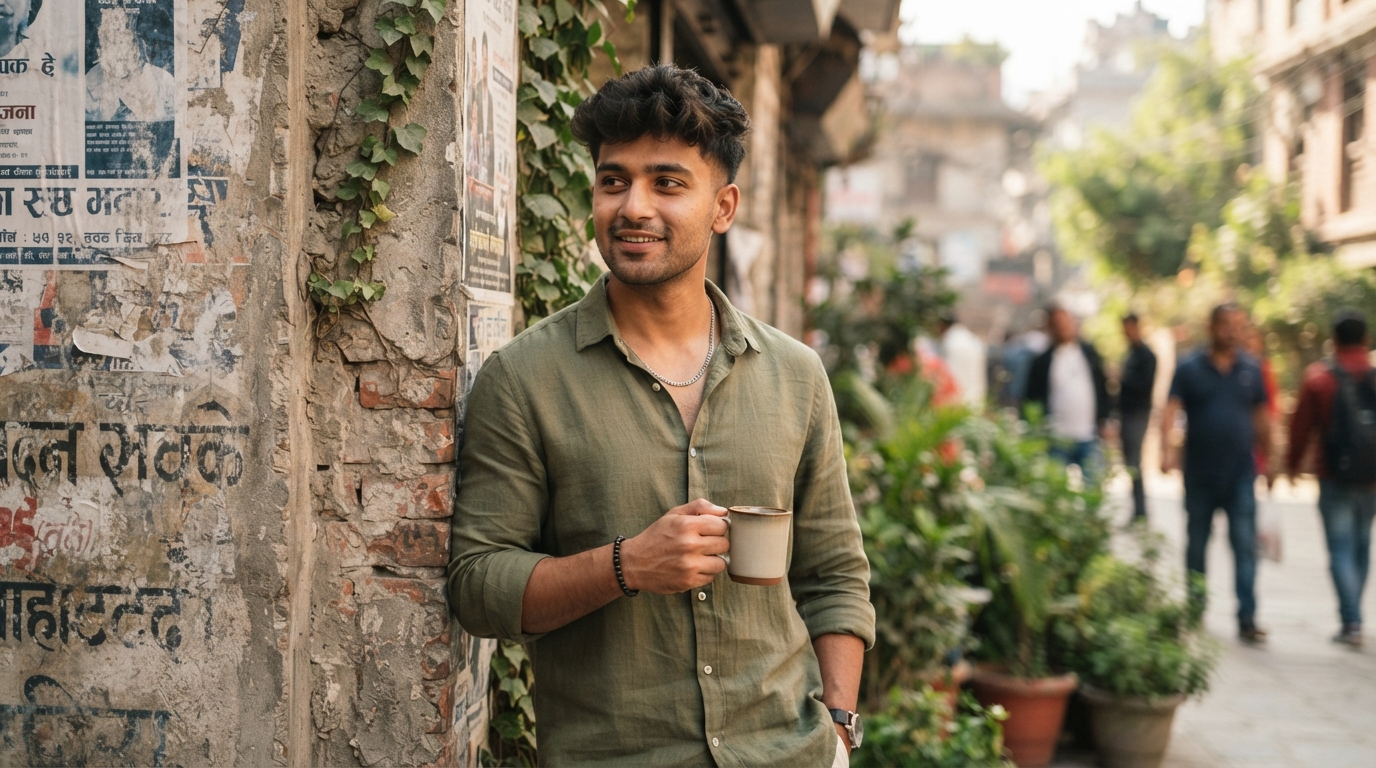
16. Medium Length Flow (Surfer Flow)
Grown out to 4–7 inches and left to fall naturally, this style trades structure for movement. It works best when the sides aren’t cut too tight, so the whole head reads as one continuous shape rather than a hard-edged cut.
Best for: Wavy-to-straight thick hair; oval and longer faces. Skip if hair is very curly or very fine.
Ask your barber for: Scissor-cut medium length all over, layered to remove bulk, sides blended softly without a hard fade.
Styling tip: Sea salt spray on damp hair, air-dry or lightly blow-dry while pushing back with fingers.
17. Long Mullet
Length at the back, control up top — the long mullet keeps 5–8+ inches trailing past the neckline while the top and sides stay shorter and tidier. Done with a soft blend rather than a hard disconnect, it reads as a styling choice rather than a dramatic statement.
Best for: Thick-to-wavy hair; oval and slightly longer faces. Not ideal for very round faces or very fine hair.
Ask your barber for: 3–5 inches on top, #2–#4 tapered sides, retained length at the back with a gradual blend.
Styling tip: Light matte cream or sea salt spray, air-dried, pushing the top back with fingers while leaving the back untouched.

Matching Your Haircut to Your Hair Type
Thick hair is the default for most Indian men, and the biggest mistake is fighting it with overly rigid styles that turn bulky within weeks. Textured crops, layered side parts, Ivy League cuts, and taper fades with a messy top all work with the density instead of against it — and a slightly loosened, lived-in texture usually ages better through the day than anything perfectly sculpted.
Thinning hair responds better to shorter lengths than to length used as camouflage — growing it out typically draws more attention to the problem, not less. Crew cuts, buzz cuts, French crops, short textured crops, and a classic side part all reduce contrast and create cleaner shape. It’s also worth switching from heavy, shiny gels to matte products, since shine tends to expose the scalp under sunlight.
Low-Maintenance Picks
For men who’d rather not spend twenty minutes styling every morning, the crew cut, buzz cut, short textured crop, Ivy League, and classic taper are the standouts. All five hold up against heat, sweat, humidity, and helmet use, and still look sharp with minimal daily effort — which is really the whole point of a good haircut.
Medium-Length Options Worth Trying
Medium length can look excellent on Indian men, particularly with wavy or thick hair, as long as movement is prioritized over rigid structure. Layered flow cuts, textured curtains, side-swept medium styles, wavy layered cuts, and relaxed messy styles all work best when the hair is allowed to move slightly rather than being locked in place with heavy product.
Office-Appropriate Choices
A professional haircut doesn’t have to look dated. The Ivy League cut, a side part with a taper, the crew cut, a short textured style, and a classic scissor cut all strike the same balance: clean without being severe, modern without chasing trends.
Talking to Your Barber (So You Get What You Actually Want)
Most disappointing haircuts trace back to unclear communication, not bad execution. Instead of relying solely on a reference photo, try describing:
- how much length you’re comfortable losing
- whether you want texture or a cleaner, more polished look
- how short you want the sides taken
- how much daily maintenance you’re realistically willing to do
It also helps to know a handful of terms — taper, fade, textured top, scissor cut, low fade, mid fade — since these give the barber something concrete to work from. And the golden rule still applies: a cut suited to your hair type will always outperform a trending cut that fights against it.

Mistakes Worth Avoiding
A handful of habits quietly ruin otherwise good haircuts: overloading on gel, going for razor-sharp hard parts, letting the sides get bulky between trims, copying a celebrity cut without checking if it suits your hair type, overstyling every strand, or skipping regular trims altogether. In Indian conditions especially, a slightly relaxed finish tends to look far more natural than one that’s stiff and overly set.
The Bottom Line
The best haircut isn’t necessarily the most photographed one online — it’s the one that actually fits your face shape, hair texture, and day-to-day routine, and still looks decent after a normal day out in the heat. That’s the real test. Chase what suits you rather than what’s trending, and the results will hold up a lot longer.